Newsletter
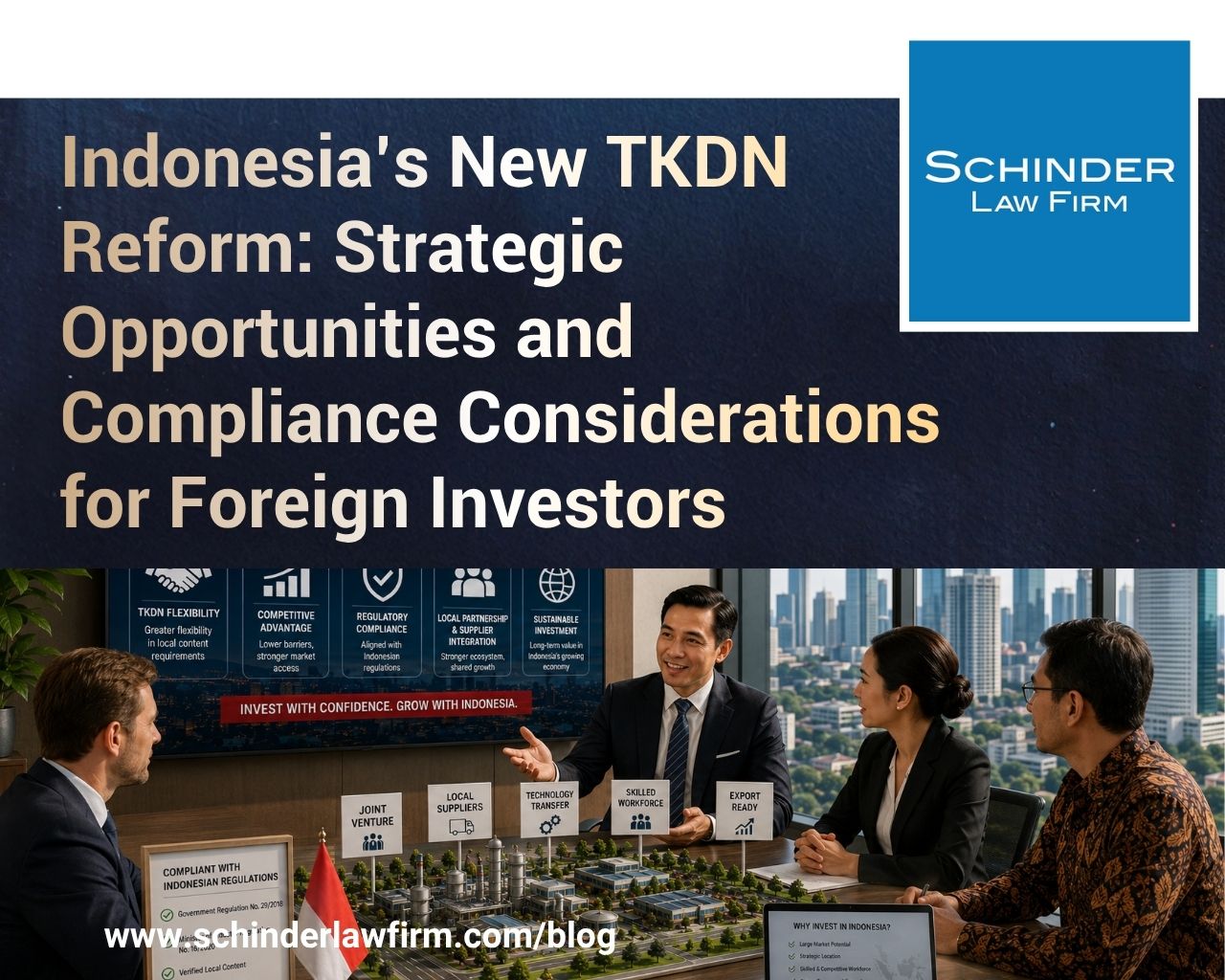
Indonesia’s New TKDN Reform: Strategic Opportunities and Compliance Considerations for Foreign Investors
May 17, 2026
Indonesia continues to strengthen its Domestic Component Level (Tingkat Komponen Dalam Negeri or “TKDN”) policy as part of the government’s broader strategy to develop local industries, encourage sustainable foreign direct investment, and increase domestic manufacturing capacity. For foreign investors entering the Indonesian market...

Part 1-Termination of Construction Contracts in Indonesia: Legal Risks for Developers and Contractors
May 16, 2026
Construction projects in Indonesia are becoming larger, more complex, and subject to tighter delivery schedules. At the same time, developers and contractors are facing growing operational challenges, including financing constraints, supply chain disruptions, regulatory compliance issues, and changing project requirements. In this environment, the termination of construction contracts has become an increasingly common outcome...
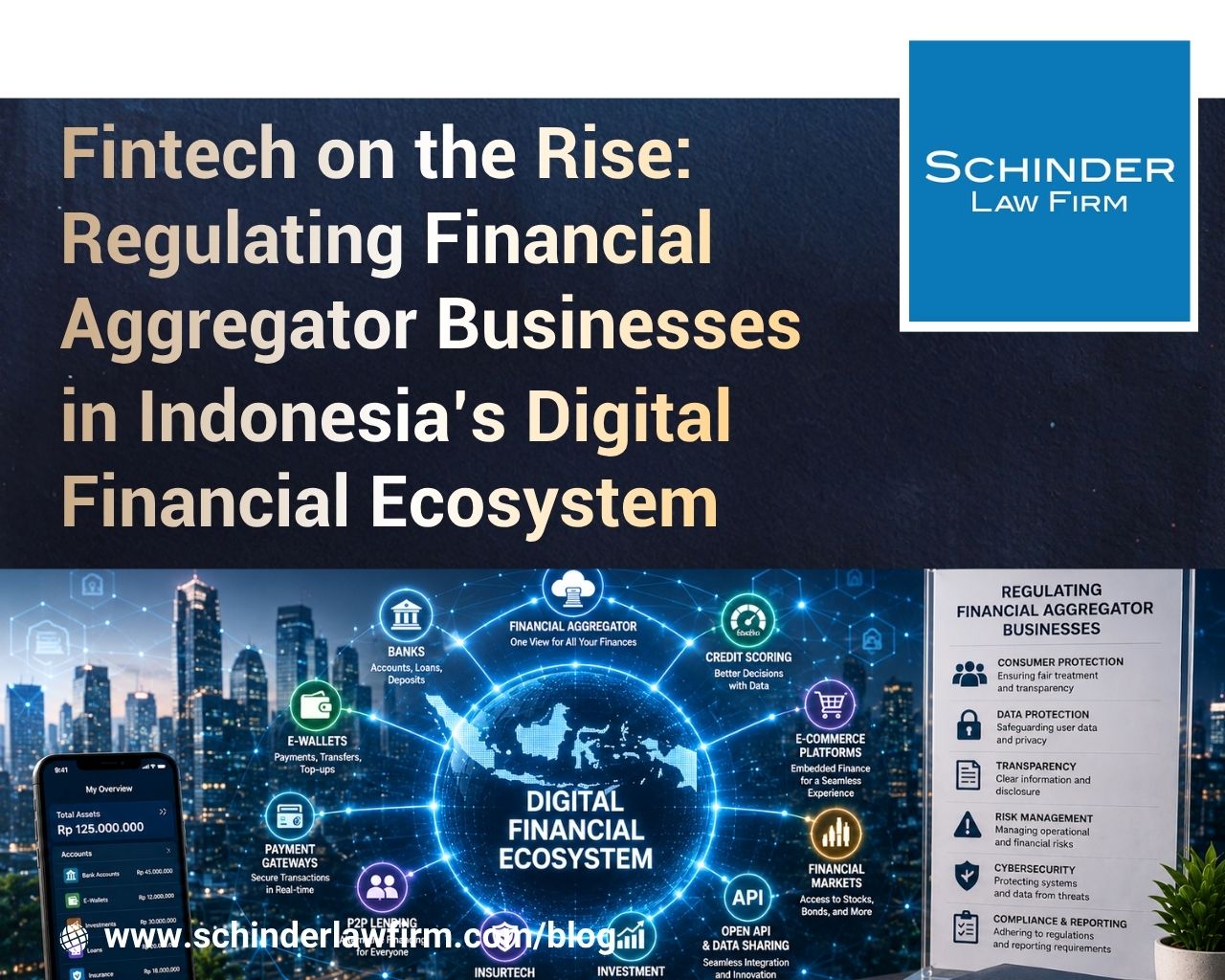
Fintech on the Rise: Regulating Financial Aggregator Businesses in Indonesia’s Digital Financial Ecosystem
May 13, 2026
The ongoing digitalization of Indonesia’s financial services sector has accelerated the emergence of platforms that aggregate financial products and services from multiple providers. These platforms enable consumers to access, compare, and manage a range of financial products through a single digital interface, thereby enhancing market accessibility and consumer convenience...
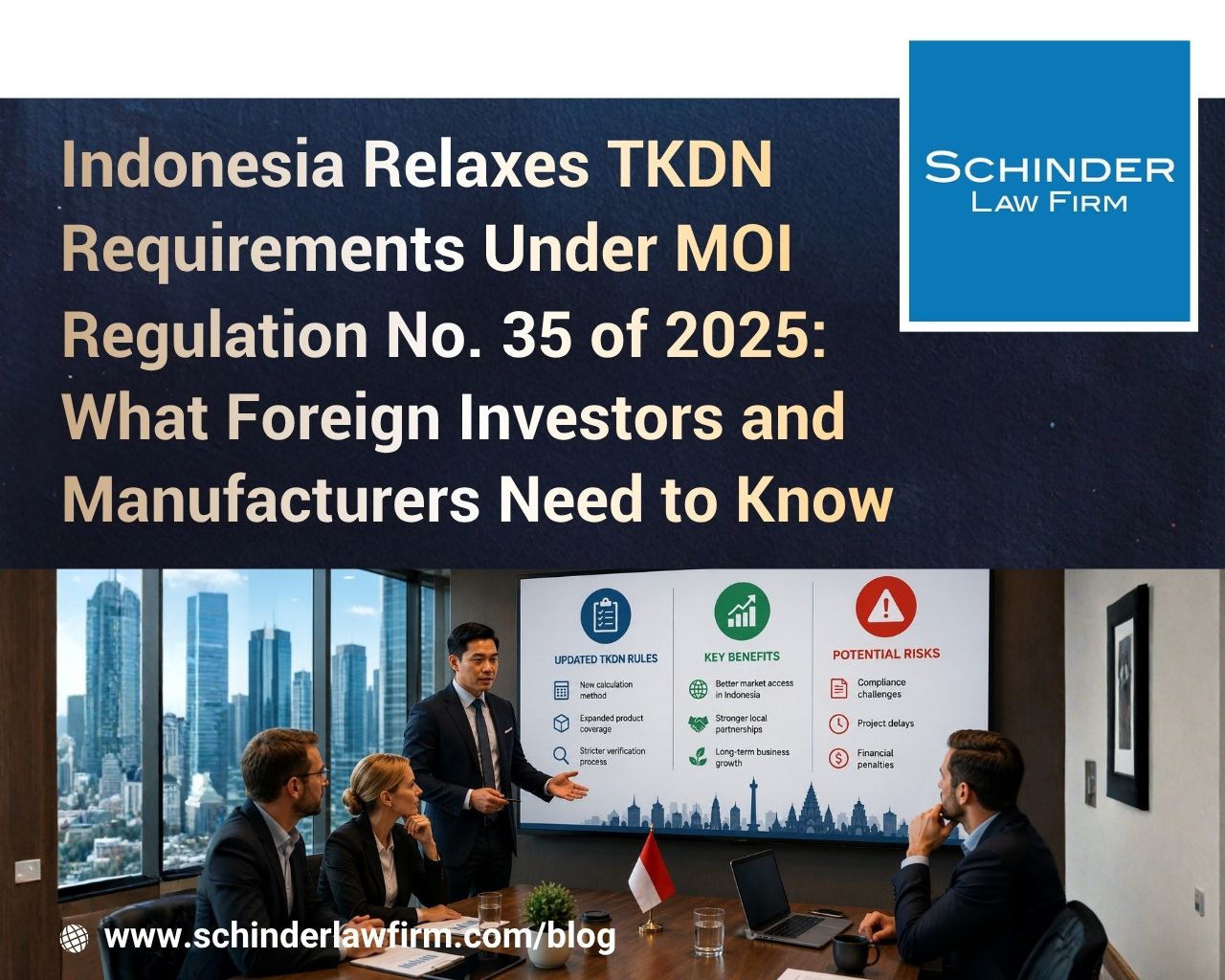
Indonesia Relaxes TKDN Requirements Under MOI Regulation No. 35 of 2025: What Foreign Investors and Manufacturers Need to Know
May 13, 2026
Indonesia has introduced a significant reform to its Domestic Component Level (Tingkat Komponen Dalam Negeri or “TKDN”) regime through the issuance of Minister of Industry Regulation No. 35 of 2025 (“Permenperin 35/2025”). The regulation reflects the Government’s effort to create a more flexible and investment-friendly approach toward local content requirements in Indonesia...
Probation Period in Indefinite-Term Employment Agreements (PKWTT)
May 12, 2026
The probation period (masa percobaan kerja) remains a common feature in employment practices in Indonesia, particularly within Perjanjian Kerja Waktu Tidak Tertentu (PKWTT) or indefinite-term employment agreements. While probation serves as a mechanism for employers to evaluate employee suitability, Indonesian labor law imposes clear statutory limitations and obligations to ensure worker protection during this period...
Ensuring Compliance with Indonesian Wage Regulations
May 12, 2026
Wages constitute one of the most fundamental elements in the employment relationship between employers and employees. A fair and transparent wage system not only supports employee welfare but also provides legal certainty for companies in managing their workforce. Under Indonesian labor law, the regulation of wage structures, wage scales, and wage components is governed...

When Projects Stall: Managing Delay and Cost Overrun Risk in Indonesia’s Construction Sector
May 12, 2026
Indonesia continues to experience rapid infrastructure and construction growth, driven by urban development, industrial expansion, and national strategic projects. While these projects present significant economic opportunities, they also carry increasing legal and commercial risk. Delays in project completion, cost overruns, and disputes regarding responsibility have become recurring challenges across the construction sector...
Administrative Designation of Non-Active Corporations in Indonesia and Its Implications for Corporate Compliance
May 04, 2026
Ministry of Law of the Republic of Indonesia through the Directorate General of General Legal Administration (AHU) has established a policy concerning the administrative designation of non-active corporations as stipulated in Circular Letter of the Director General of General Legal Administration...
The Distinction Between Ownership and Contractual Control in CKD Business Structures
Apr 29, 2026
In a corporate business context, control by foreign or external parties typically happened through shareholding. However, in certain circumstances, such control does not derive from equity ownership, but rather established contractually, one example being through a Completely Knocked Down...
Implementation of KBLI 2025 in the OSS System: Timeline, Adjustment Requirements, and Legal Implications
Apr 27, 2026
In accordance to the implementation of KBLI 2025 as stipulated in Government Regulation No. 28 of 2025 concerning the Administration of Risk-Based Business Licensing (“GR 28/2025”), the Minister of Investment and Downstream Industry/Head of the Investment Coordinating Board, the Minister of Law...