Newsletter
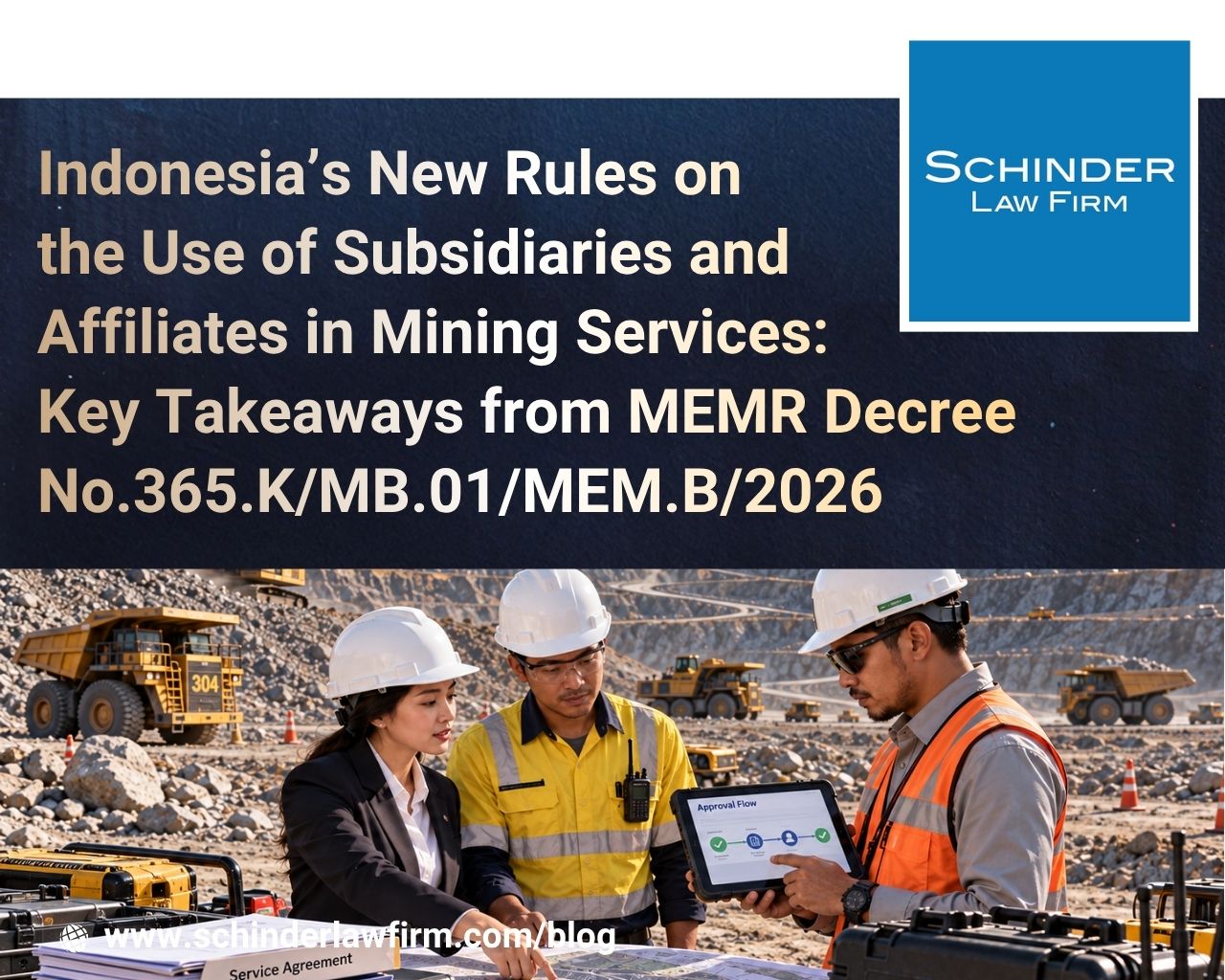
Indonesia’s New Rules on the Use of Subsidiaries and Affiliates in Mining Services: Key Takeaways From MEMR Decree No. 365.K/MB.01/MEM.B/2026
Oct 21, 2026
Indonesia’s mining sector continues to undergo significant regulatory developments aimed at strengthening governance, enhancing transparency, and promoting fair competition. One of the latest developments is the issuance of Minister of Energy and Mineral Resources Decree No. 365.K/MB.01/MEM.B/2026 (“MEMR Decree 365/2026”)...

When Debt Becomes Equity: Debt-to-Equity Swaps for PT PMA Companies in Indonesia
Oct 19, 2026
Foreign investors commonly fund their Indonesian subsidiaries through shareholder loans rather than additional equity. While this structure can provide flexibility and, subject to applicable tax rules, allow interest expenses to be deducted for income tax purposes, excessive reliance on debt can create tax and corporate issues...
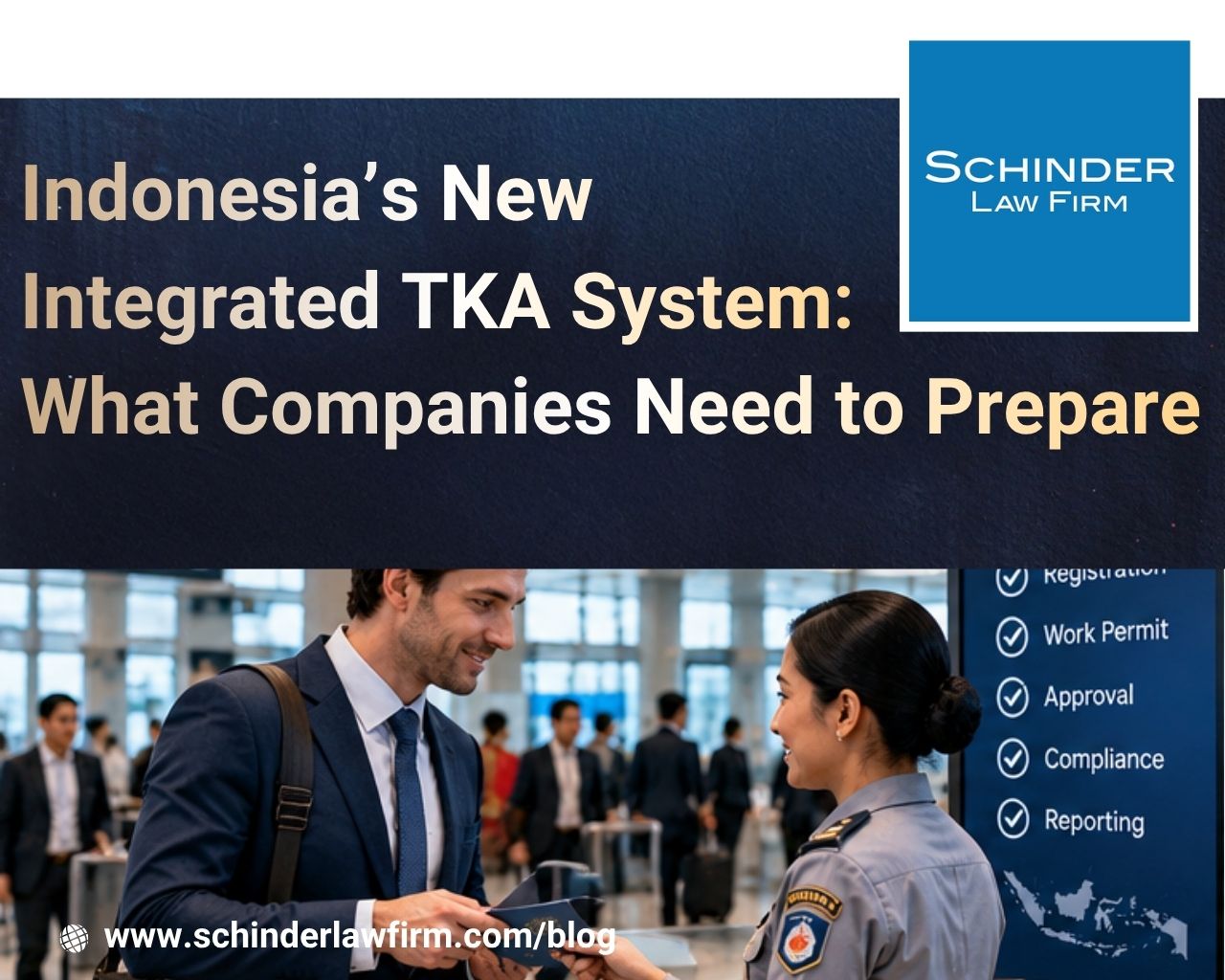
Indonesia’s New Integrated TKA System: What Companies Need to Prepare
Oct 16, 2026
For companies employing Foreign Workers (“TKA”) in Indonesia, compliance is not limited to having the required work and stay permits. Companies also need to ensure that the TKA’s position, work location, employment period, and other relevant information remain consistent with the documents supporting their employment...

When a Distributor Keeps Using Your Brand After Termination
Oct 14, 2026
A distribution agreement may come to an end, but a distributor may not immediately stop using the principal’s brand. A former distributor may continue displaying the principal’s logo, using its trademark on websites or social media, distributing promotional materials, or representing itself as an authorized distributor...

Understanding Liquidated Damages in Indonesian Construction Contracts
Oct 12, 2026
Liquidated damages are damages or compensation whose amount has been agreed and determined in advance by the parties in a contract before the agreement is signed. Such amount becomes payable by the party in breach of the contract (wanprestasi), commonly as a result of a delay in completing the works. Under Articles 1239 and 1243 of the Indonesian Civil Code liquidated damages may be understood as a form of compensation determined and agreed upon by the parties from the outset of the contractual relationship...

Dividend Repatriation for Foreign Investors: Free in Law, Trapped in Procedure
Oct 09, 2026
For foreign investors holding shares in an Indonesian PT PMA, the ability to bring profits back to their home country is an important consideration. In principle, Indonesian law permits investors to transfer and repatriate investment-related funds, including capital, profits, dividends, interest, royalties, and proceeds from the sale or liquidation of an investment...

Shareholders Agreements in Indonesia: Key Considerations for Business Partnerships
Oct 07, 2026
When entering a business partnership, founders and investors may assume that the Articles of Association (“AoA”) provide sufficient protection for their respective interests. In practice, however, the AoA primarily addresses corporate matters required under Indonesian law and may not fully capture the commercial arrangements agreed between shareholders...
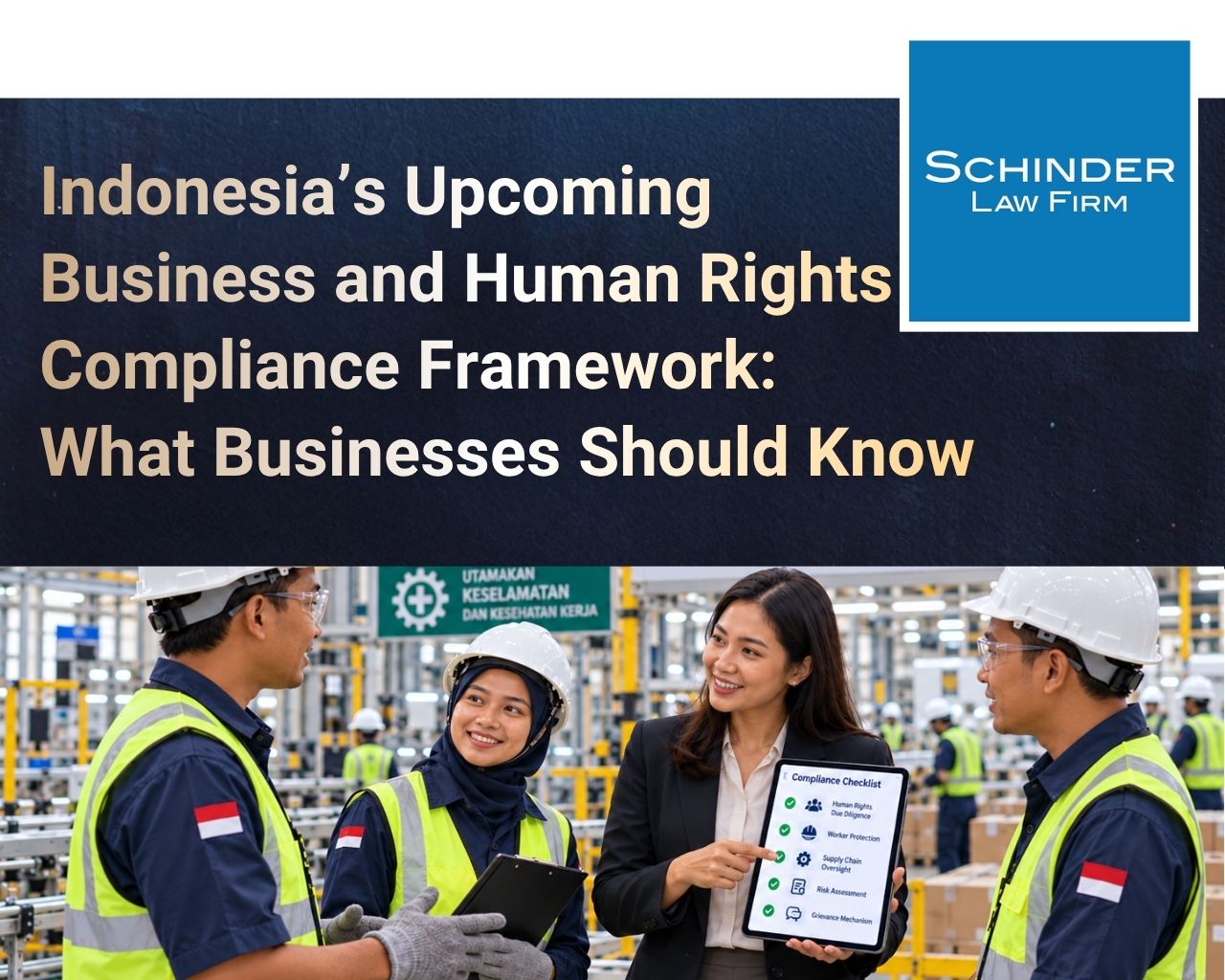
Indonesia’s Upcoming Business and Human Rights Compliance Framework: What Businesses Should Know
Oct 05, 2026
Human Rights Due Diligence (“HRDD”) is becoming an increasingly important aspect of corporate compliance in Indonesia. Broadly, HRDD refers to a process through which businesses identify, assess, prevent, mitigate, monitor, and address actual or potential adverse human rights impacts arising from their operations and business relationships...
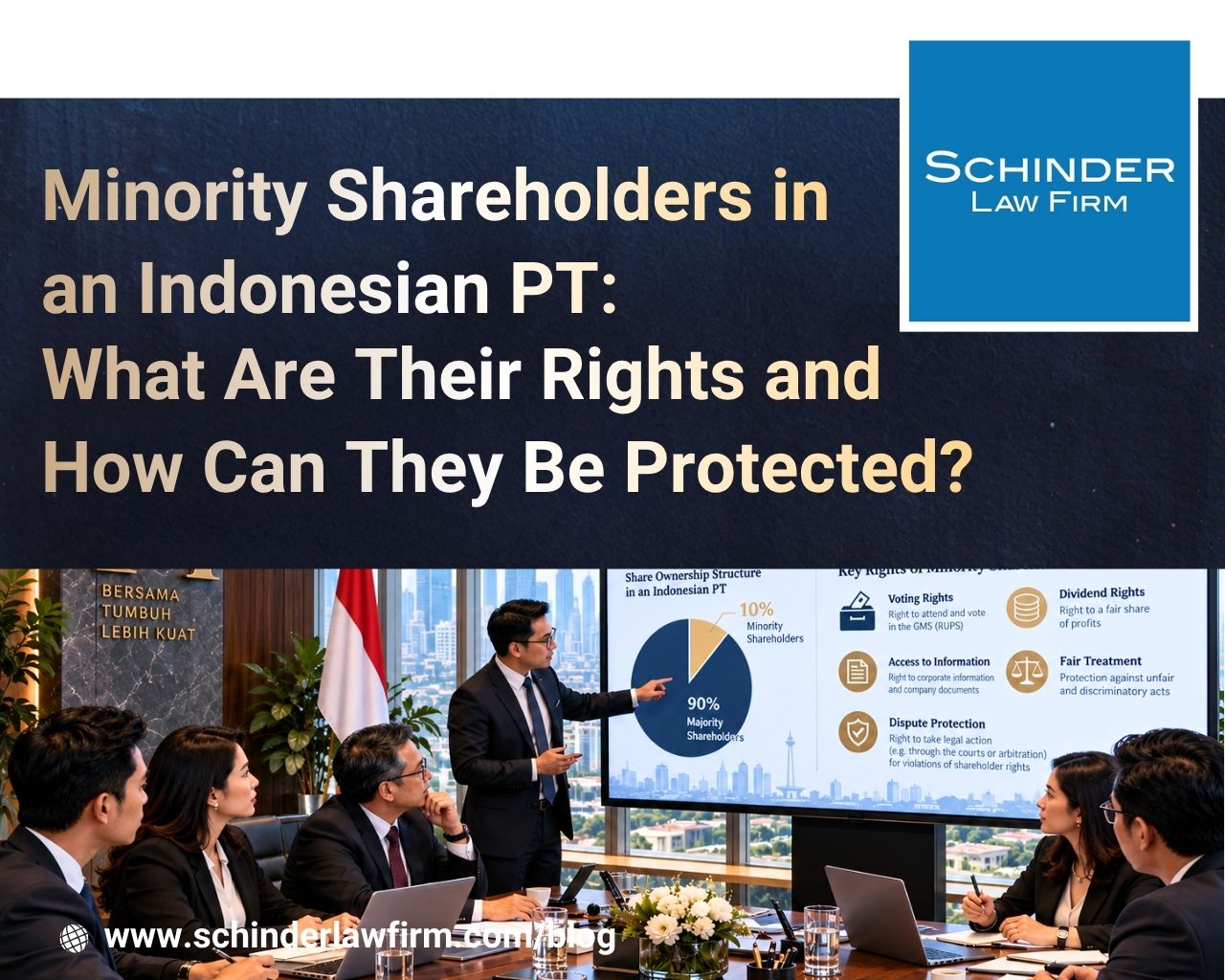
Minority Shareholders in an Indonesian PT: What Are Their Rights and How Can They Be Protected?
Oct 02, 2026
Holding a minority stake in an Indonesian Perseroan Terbatas (PT) does not mean losing your rights as a shareholder. Under Law No. 40 of 2007 concerning Limited Liability Companies (“UUPT”), shareholders have the right to attend and vote at the General Meeting of Shareholders (“RUPS”...
Geothermal Licensing in Indonesia: Legal Framework and Compliance Obligations for Businesses
Sep 30, 2026
Indonesia has approximately 23.2 GW of geothermal potential, with only around 11.6% currently developed into installed capacity. Based on ESDM data as of June 2026, the potential is distributed across 369 locations...