Towards Standard Information Privacy, Innovations of the New General Data Protection Regulation
Protection of personal data in recent decades became more crucial affecting by emergence of the new technologies especially computer, internet, information and communications technology. However, Europeans felt this necessity at time and provided for up-to-date and supportive laws....

A New Year, a New Set of Arbitral Rules: a Summary of the Key Changes Introduced in the 2021 ICC Arbitration Rules
2021 has brought hope and new changes. Such new changes also extend into the international arbitration world. At the start of the new year, the International Chamber of Commerce (“ICC”) implemented the 2021 Arbitration Rules (“2021 ICC Rules”), which applies to cases filed from 1 January 2021 onwards. The 2021 ICC Rules is a culmination of the ICC’s attempt to meet the current and future needs of the arbitration community. Some of the key amendments as reflected in the 2021 ICC Rules relate to the following areas:
Penyusunan Rancangan Peraturan Tentang Pengembangan Bisnis Inklusif Pariwisata Kebugaran di Desa Wisata
Health tourism memiliki pasar yang cukup besar yang mencapai hingga US$ 500 milyar per tahun atau sekitar 14% dari Total Global Tourism dengan pertumbuhan sekitar 9,9% per tahun1 . Dalam konteks itu Asia merupakan kawasan yang paling banyak menarik kunjungan Wellness Tourism serta paling banyak dari aspek pengeluarannya...

Positive Investment List vs Negative Investment List
The Job Creation Law (Indonesian: Undang-Undang Cipta Kerja), officially Law No. 11 of 2020 (hereinafter referred to as Omnibus Law), is a bill that was passed on 5 October 2020 by Indonesia's People's Representative Council (DPR), and enacted on 2 November 2020 to create jobs and raise foreign and domestic investment by reducing regulatory requirements for business permits and land acquisition processes.
Several regulations for the implementation of the Omnibus Law have been issued. Generally, it is to improve the...
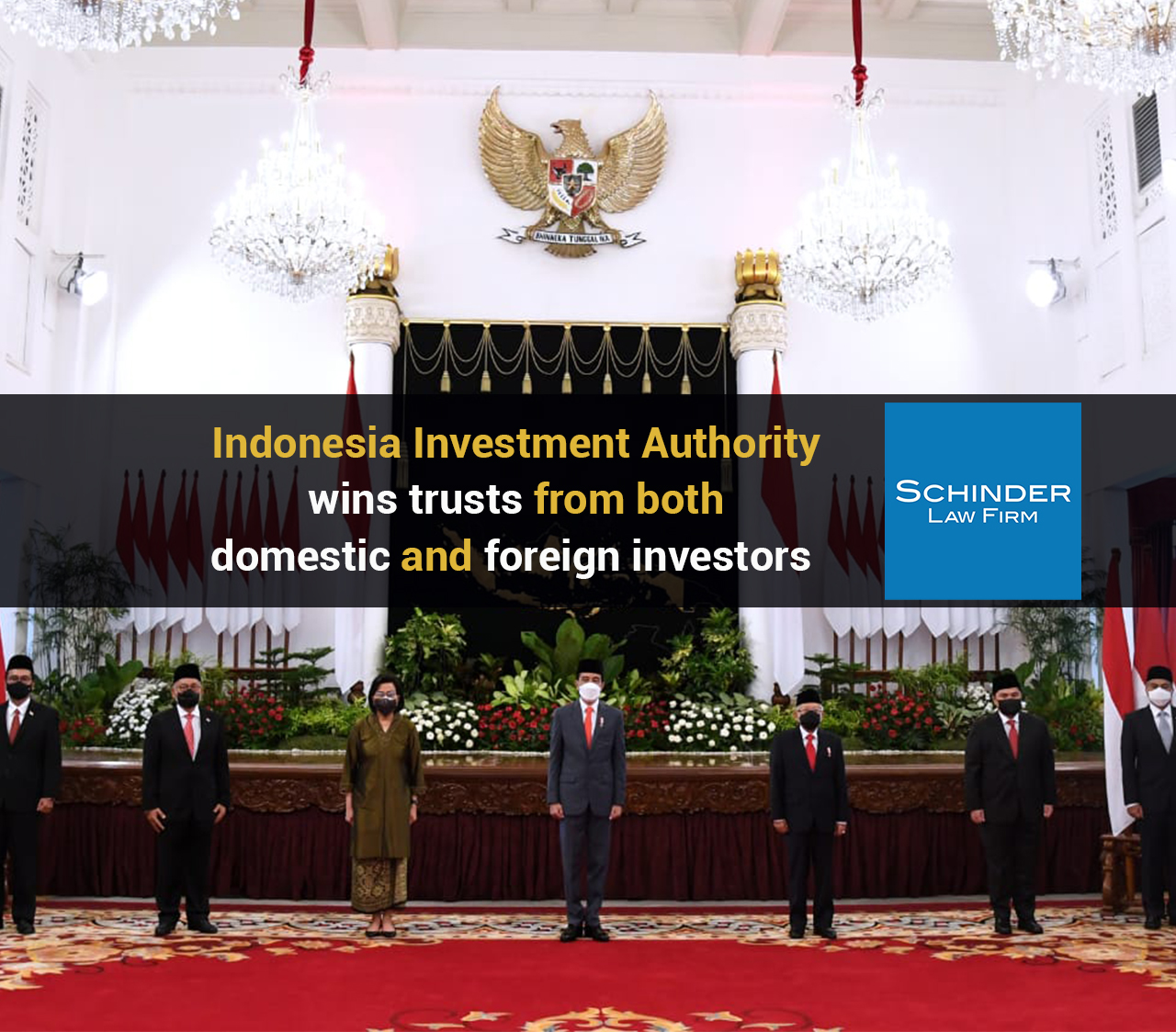
Indonesia Investment Authority wins trusts from both domestic and foreign investors
The Indonesia Investment Authority (INA) which was set up in January 2021 is an institution for investment endowment fund management established by Law to increase and optimize the value of state assets in the long term to support sustainable development. It has won enormous interests and trusts from both domestic and foreign investors, especially in the field of infrastructure.
"With a strong legal foundation and political support as well as a great supervisory board ...

Malaysian Personal Data Protection Act, a Mysterious Application
Data is the fuel of the new economy, and even more so of the economy to come. The world's most valuable resource is no longer oil, but data1. It is estimated that the digital economy today is worth almost $3 trillion2.
The digital economy is the economic activity that results from billions of everyday online connections among people, businesses, devices, data, and processes.

Dokumen Pembangunan Hukum Nasional Tahun 2020
Puji Syukur patut kita panjatkan kepada Tuhan Yang Maha Esa, yang karena Kuasa dan izin-Nya, Tim Penyusun Dokumen Pembangunan Hukum Nasional (DPHN) telah menyelesaikan tugasnya merancang sebuah Grand Design Pembangunan Hukum untuk menyongsong realisasi Visi Indonesia Emas 2045. Pekerjaan ini memang tidak mudah dan sangat menantang. Diperlukan pandangan yang visioner serta pemahaman...
Foreign Document Legalization: Implementation of Presidential Regulation No. 2 of 2021 concerning Ratification of the Convention abolishing the requirement of legalization for Foreign Public Document
In January 2021, Presidential Regulation No. 2 of 2021 concerning Ratification of the Convention abolishing the requirement of legalization for Foreign Public Document ("PR 2/2021") was enacted by the Government. According to the Convention abolishing the requirement of legalization for Foreign Public Document ("Apostille Treaty"), there are four types of ...

Right to Privacy, a Complicated Concept to Review
The Concept and definition of the privacy has been changed during the time affecting by different factors. At the same time, the boundaries of privacy may differ from one place to another affecting by the culture, religion, etc. Nonetheless, there is not a unique general accepted definition for the privacy.
Privacy has been considered...

Digitization of Land Data in Indonesia
The Ministry of Agrarian Affairs and Spatial Planning (ATR)/ National Land Agency (BPN) or Kementerian Agraria dan Tata Ruang /Badan Pertanahan Nasional ("ATR/BPN") has issued new regulations regarding electronic land certificates.
Starting in 2021, ATR/BPN will begin to use electronic land certificates as stipulated in the Regulation of the Minister of ATR/Head of BPN Number 1 of 2021 concerning Electronic Certificates which was signed on January 12, 2021. This means that proof of ownership of a land certificate or land book will...

Sebuah Gagasan tentang Grand Design Reformasi Regulasi Indonesia
Sebuah upaya besar untuk secara sistematis memperbaiki kualitas regulasi di Indonesia, baik dari aspek design, delivery maupun inspectionnya, memerlukan sebuah Grand Design. Guna mendukung kuatnya kemauan politik yang telah ditunjukkan oleh Pemerintah untuk memperbaiki kualitas regulasidalam mendukung iklim usaha dan investasi, dengan segala kerendahan hati Penulis mempersembahkan ...
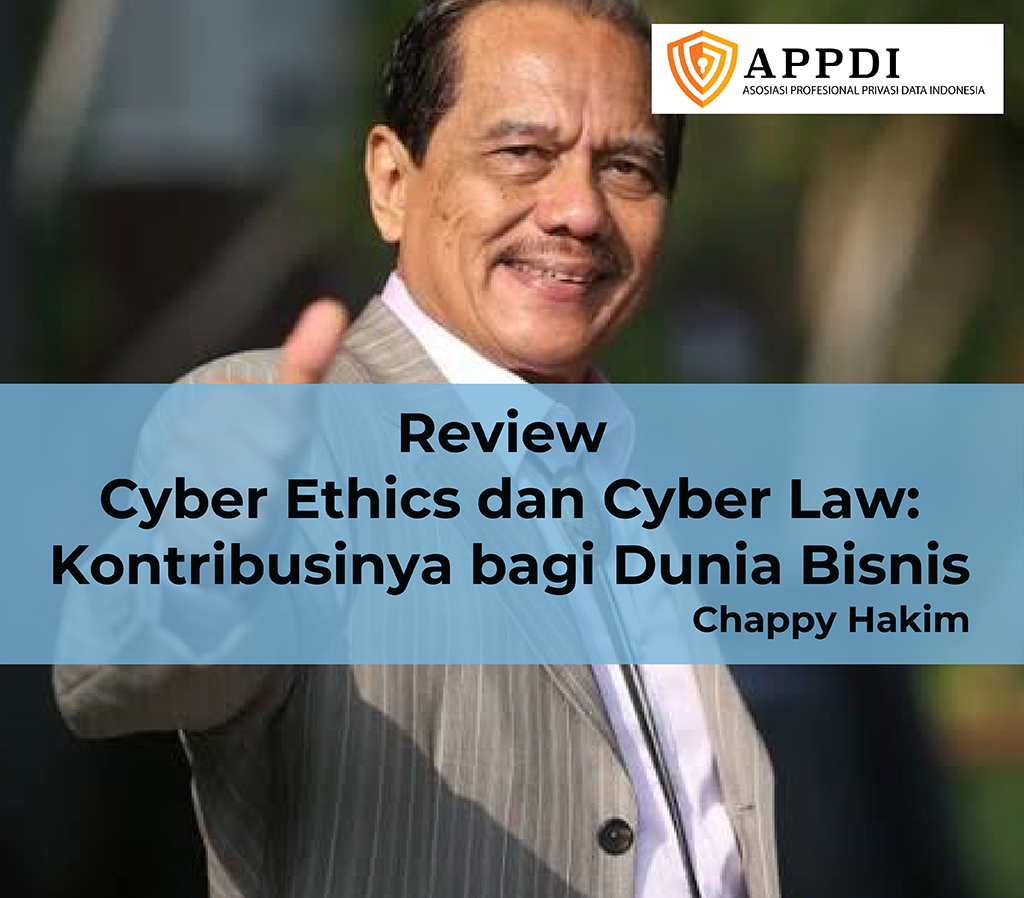
Review Cyber Ethic dan Cyber Law: Kontribusinya Bagi Dunia Bisnis
Prof. Dr. Ida Bagus Rahmadi Supancana yang akrab disapa Prof. Dodi oleh orang orang dekatnya, baru saja untuk sekian kali meluncurkan lagi buku barunya. Kali ini menjadi sangat menarik untuk membahas buku Prof. Dodi karena berisi banyak hal yang sangat kekinian sifatnya. Buku berjudul Cyber Ethic dan Cyber Law, kontribusinya bagi dunia bisnis menguraikan banyak hal hubungan kemajuan teknologi kaitannya dengan kegiatan bisnis.
Information Security Technology - Personal Information Security Specification: China's Version of the GDPR?
The intuitive conception about China is that it is a privacy-vacuum state where no data protection rules apply. However, this is no longer the case. Despite there being no comprehensive legislation on data protection, the newly released national rules on data security could be seen as a minimum data protection framework in China....

Berbagai Perspektif Harmonisasi Hukum Nasional dan Hukum Internasional
Tanggal 12 Desember tahun 2012 adalah hari yang sangat istimewa bagi penulis secara pribadi, tidak hanya tanggal tersebut adalah hari kelahiran penulis, tetapi juga merupakan kombinasi angka yang sangat langka yang mungkin hanya terjadi sekali dalam seumur hidup, yaitu 12-12-12.
Bagi seorang akademisi, memperingati hari yang sangat istimewa ini tentu saja tidak patut...

ASEAN Data Management Framework: Data Governance and Protection Throughout the Data Lifecycle
Data is the fuel of the new economy, and even more so of the economy to come. The world's most valuable resource is no longer oil, but data1. It is estimated that the digital economy today is worth almost $3 trillion2
The digital economy is the economic activity that results from billions of everyday online connections ....

ASEAN Model Contractual Clauses for Cross Border Data Flows
Using ASEAN Model Contractual Clauses (MCCs) as a Legal Basis for Data Transfers
The MCCs are contractual terms and conditions that may be included in the binding legal agreements between parties transferring personal data to each other across borders. Implementing the MCCs and their underlying obligations helps parties ensure that the transfer of personal data...
2020 in Review: The Pandemic, Investment Treaty Arbitration, and Human Rights
It will come as no surprise to the readers of this blog that the ongoing COVID-19 pandemic has had a significant impact on international arbitration. In this post, we take a look back at 2020 to consider the intersection of the pandemic, investment, and human rights. In Februari 2020, one of us took a look back
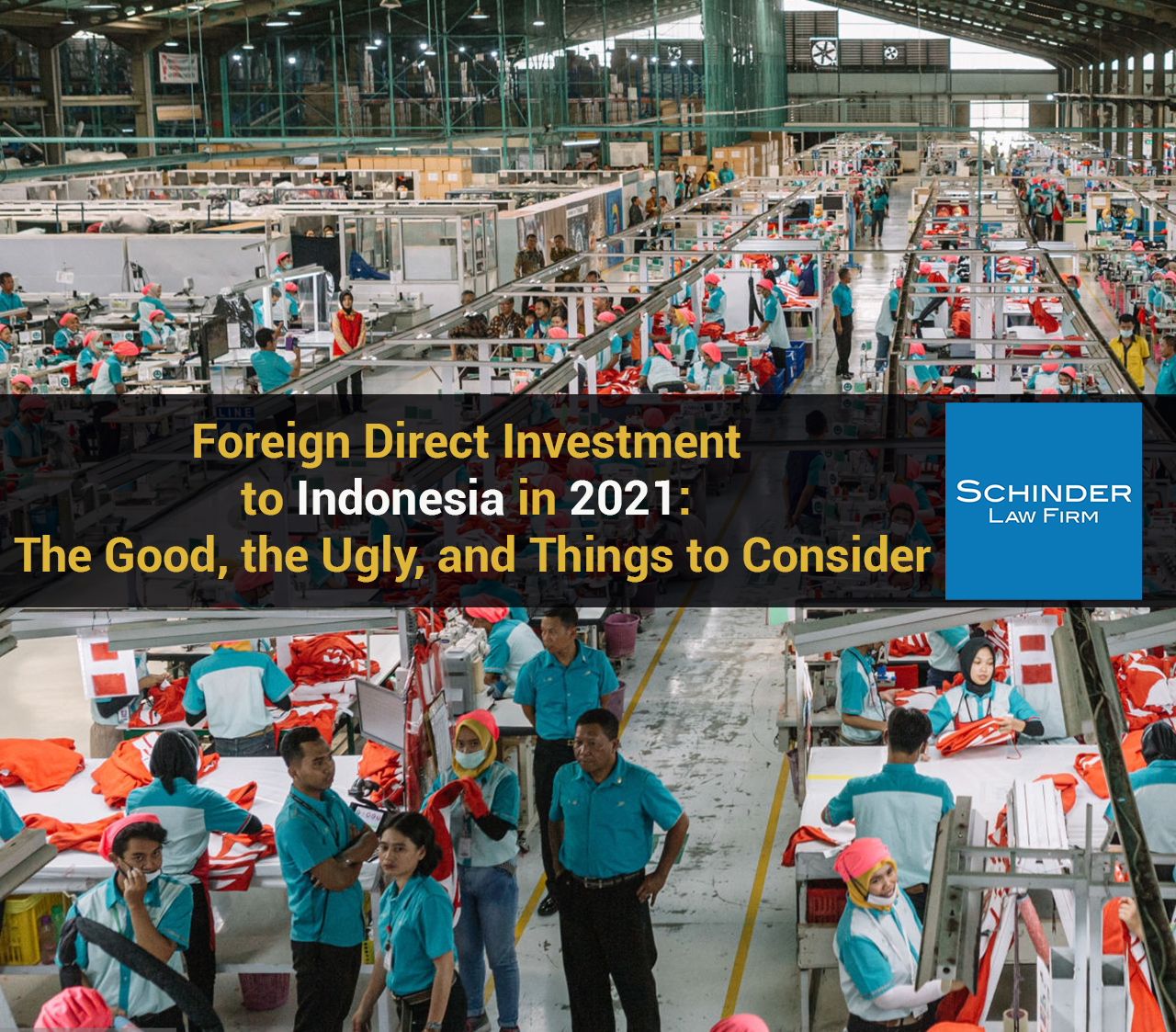
Foreign Direct Investment to Indonesia in 2021: The Good, the Ugly, and Things to Consider
When it comes to looking for investment options, expert advice is always welcome. On this occasion, we unveiled some consideration to investing in Indonesia. In recent months, foreign investors pulled out of Southeast Asian equity markets as increased uncertainty caused by the coronavirus pushed them to seek safer investments elsewhere. Consequently, this year's stocks in Southeast Asia have decreased. Still, JPMorgan analysts believe the worst may be over. Some businesses and sectors remain enticing.