
New OSS Platform: Online Single Submission Risk-Based Approach (OSS-RBA)
The Government has officially launched a new version of OSS under the name Online Single Submission Risk-Based Approach (OSS-RBA) with Government Regulation Number 5 of 2021. Pursuant to Government Regulation No 5 of 2021 regarding the Operation of Risk-Based Business Licenses or Peraturan Pemerintah Nomor 5 Tahun 2021 Tentang Penyelenggaraan Perizinan Berusaha Berbasis Risiko ("GR No. 5/2021")
Compliance With Malaysian Personal Data Protection Act 2010 by Banking and Financial Institutions, a Legal Survey on Privacy Policies
The sensitivity and value of personal information, especially financial data concerning the increasing threats, particularly in the online domain, make it urgent to assess how far financial companies are serious about respecting and protecting individuals information privacy.
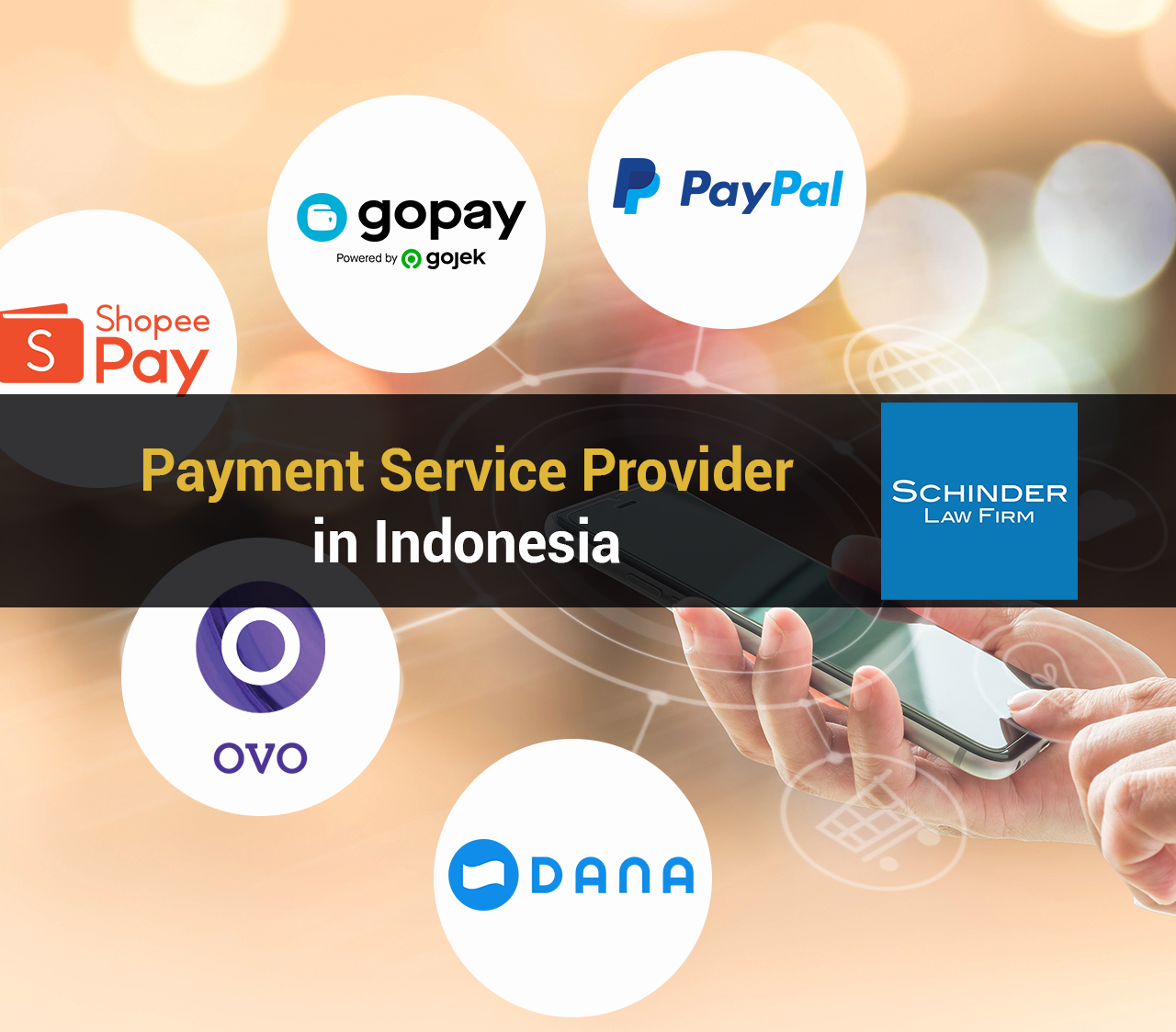
Payment Service Provider in Indonesia
The latest BI regulations classify payment system service providers into two sectors, namely payment service providers or Penyedia Jasa Pembayaran (PJP) and payment system infrastructure operators or Penyelenggaraan Infrastruktur Sistem Pembayaran (PIP). PJP carries out activities to provide information on sources of funds, payment initiation or acquiring services, administration of sources of funds and remittance services, while PIP carries out clearing and final settlement.
Nanotechnology Within the Legal and Regulatory Framework: An Introductory Overview
Nanotechnology, often referred to as the next industrial revolution after the internet, is an interdisciplinary study and the wave of the future. It is the science of manipulating technology at an atomic and molecular scale and is no longer an issue for scientists only. It has limitless potential and can be used in most areas of human need.

Understanding, Knowledge and Perception of Nanotechnology among Private Universities Students in Malaysia
Modern day policy making demands to include citizens in the decision making process and this is crucial before the introduction of any emerging technology such as nanotechnology, the science and art of manipulating things at the atomic scale. Even though there is no comprehensive governing regulation, there are already more than 1600 consumer...

Gas in the City, Gas Network
The supply of gas in Indonesia is quite abundant, but unfortunately, has not been used optimally domestically. To meet domestic gas needs, especially for household needs, more is supplied from imports of liquefied petroleum gas (LPG). In fact, gas is delivered to household customers through pipes known as the city gas network or a natural gas network for households ("Jargas"), which is much cheaper than the price of LPG. The main objective of the Jargas is to make people's lives easier, along with lowering LPG imports and saving on foreign exchange at a macro level.

Using Static Concentrator Technology to Achieve Global Energy Goal
Solar energy has demonstrated promising prospects in satisfying energy requirements, specifically through solar photovoltaic (PV) technology. Despite that, the cost of installation is deemed as the main hurdle to the widespread uptake of solar PV systems due to the use of expensive PV material in the module. At this point, we argue that a reduction in PV cost could be achieved through the usage of concentrator
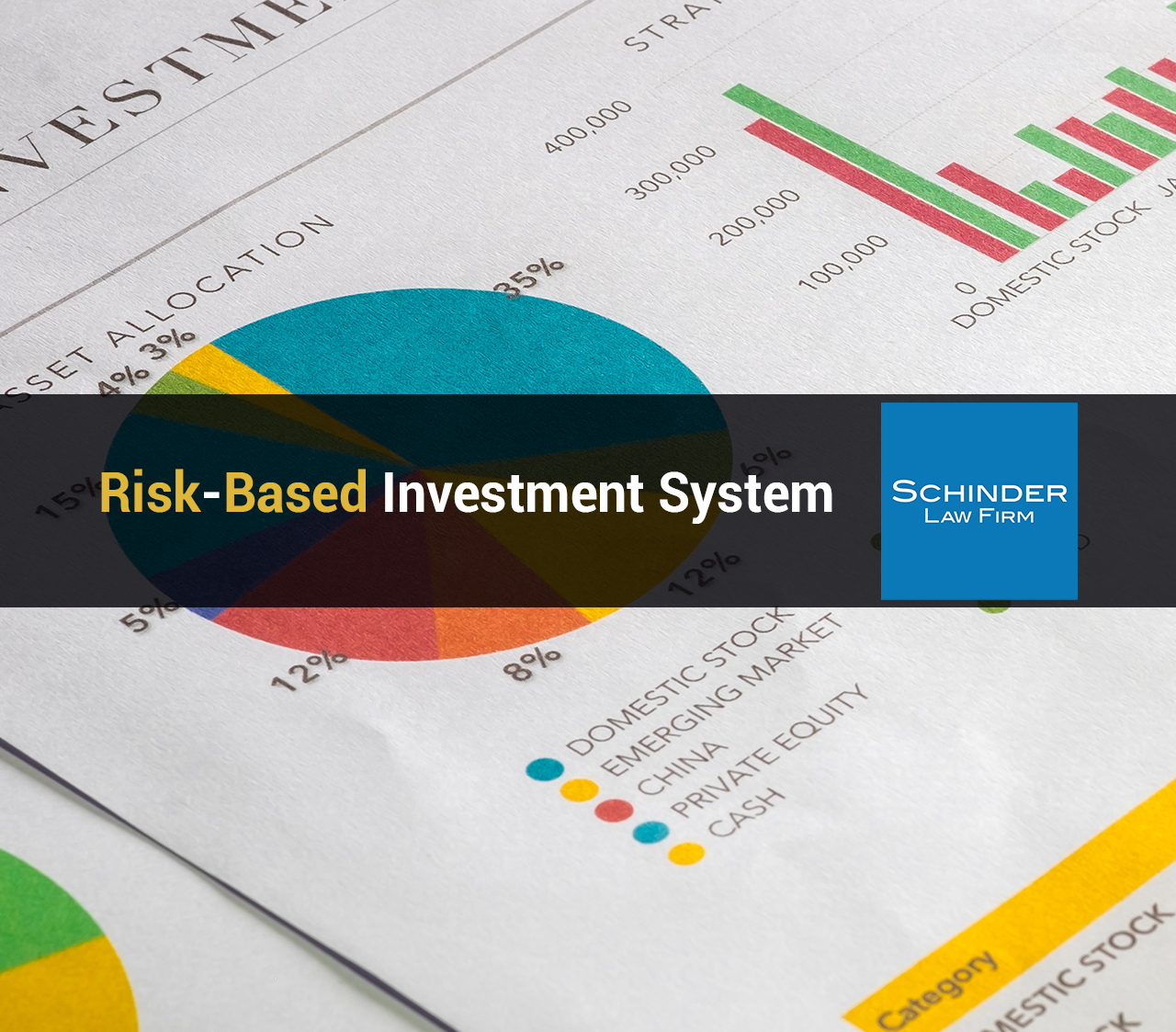
Risk-Based Investment System
One of the adjustments for investments regulated under Law No. 11 of 2020 regarding Job Creation is the transition to a Risk-Based Investment System implemented in the Risk-Based Business Licensing. According to Article 1 Government Regulation No. 5 of 2021 regarding Risk-Based Business License Management (GR 5 2021), Risk-Based Business Licensing is a business permission that is granted to applicants to start their business according to the level of potential for injury or loss from a hazard or a combination of the likelihood and effect of the hazard.

Dispute Between the Shareholders in the Event of Default in Capital Payment
Establishing a new company or investing in an existing business, no matter the size, requires an agreement between two or more shareholders of a corporation. The Shareholder Agreement is made not only to set out the capital and management structure, but also to mitigate any risk of default related to the implementation of the Shareholder Agreement. The Shareholder Agreement can later be implemented in the Company Article of Association.
Registration of Nanomaterials and Nano-Enable Products: Solution in Regulation and Governance or New Challenge
Regulation and governance of infinite number and diversified types of engineered nanomaterials has been a genuine challenge for the regulators around the world in recent times. Recent experience with the genetically modified food compelled the regulators, specially from the Europe, to take cautious move from the very beginning regarding nanomaterials.

Skill Recognition for Foreign Construction Workers
The construction sector has become the government's mainstay sector, especially when it comes to encouraging the National Economic Recovery from the COVID-19 pandemic. It is also a work field that still needs to use foreign workers, considering the need for special skills, especially those related to complex technology, For example, the Mass Rapid Transit project. In addition, foreign workers are used for work when the source of funds comes from investment, such as the Jakarta-Bandung high-speed rail work...
Nanotechnology Through the Lens of Law: Asia and Beyond
Nanotechnology, the science of using materials at the atomic or molecule scale, is the next wonder after internet. Its virtually limitless prospects compel the government, research firms and business ventures around the world to invest huge amount for its commercial application. United Nations is convinced nanotechnology can be used to achieve the Millennium Development Goal and it can improve...
Asia: No Law for Nano?
Nanotechnology, often referred to as the next industrial revolution after internet, is an interdisciplinary study with limitless potential. It is now in the stage where ICT and use of plastic was in 1960s and biotechnology in 1980s. Already around 2000 consumer products are in the market and ILO predicts that by 2020, 20% of the products will be developed using nanotechnology. UNESCO traced top ten applications of nanotechnology within the UN Millennium Development Goals

No Royalty for Coal Process
Law No. 11 of 2020 concerning Job Creation ("Omnibus Law") contains many new regulations regarding industrial, including the Implementation of the Energy and Mineral Resources Sector, regulated in the Government Regulation No. 25 of 2021 ("GR 25/2021"), which mostly regulates mineral mining activities and electricity. One of the new adjustments in the regulation is stipulated in article 3, which states: "Production operation Mining Business Permit, Production Operation Special Mining Business Permit and...
Provisions Regarding Energy and Electricity according to Government Regulation number 25 of 2021
Law number 11 of 2020 concerning Job Creation (or generally referred to as the Omnibus Law) contains many new regulations regarding industrial activities, requiring the implementation of new regulations. Some of those new regulations are in Government Regulation number 25 of 2021 concerning the Implementation of the Energy and Mineral Sector (GR 25 of 2021) which mostly regulates coal and mineral mining activity, as well as electricity.
Use of Cyber Means to Enforce Unilateral Coercive Measures in International Law
The objective of this chapter is to examine the use of cyber means to enforce unilateral coercive measures in international law. In doing so it will consider the relationship between sanction regimes and cyberwarfare, and what might influence the effectiveness of such measures. It will begin by discussing the concept of "cyber warfare" and the threats that cyberattacks pose to States, organizations and the international legal order.
Commercial Disputes in Indonesia: Finding an Alternative Dispute Resolution Body covering Mediation and Arbitration in Indonesia
A commercial dispute is a dispute that commonly arises from a commercial contract. This can be between companies, individuals, a mix of both or even between an investor and a state. Keeping in mind that court litigation might be lengthy and disclosed to the public, the contractual party might prefer to settle the dispute by way of Mediation and Arbitration. For agreements, including agreements related to commercial matters (e.g., sale and purchase agreement
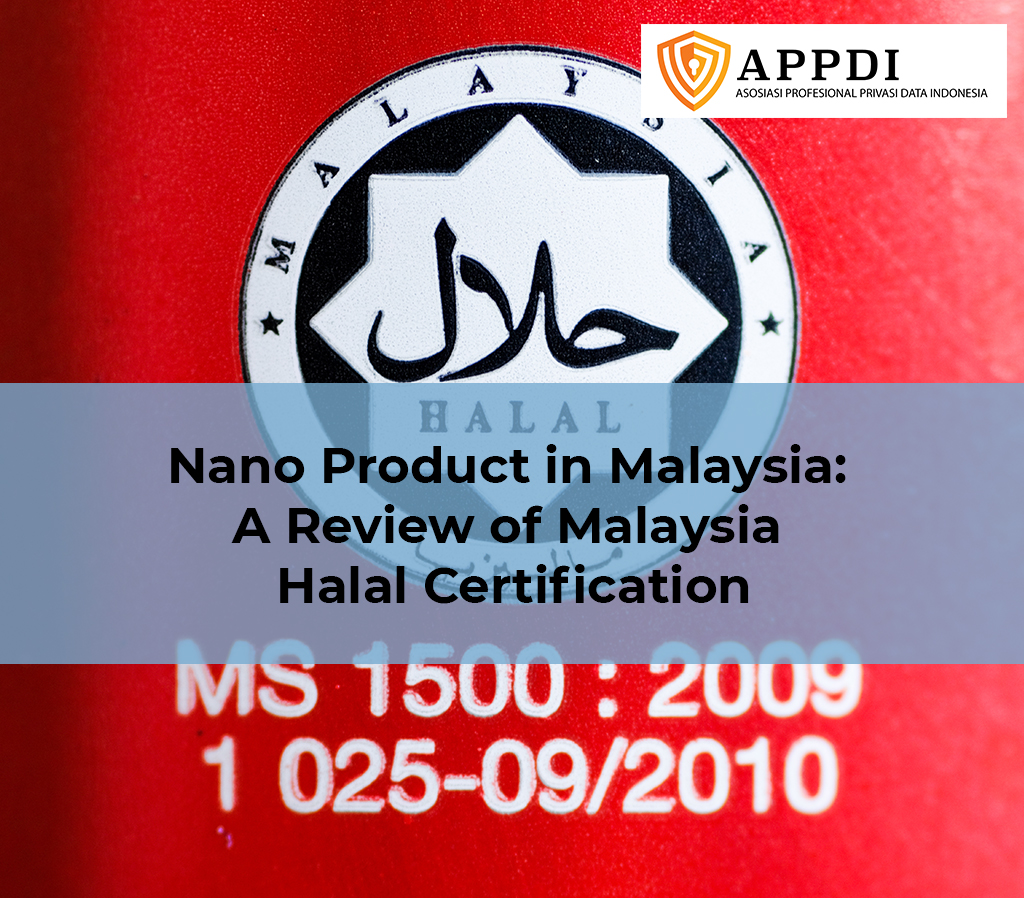
Nano Product in Malaysia: A Review of Malaysia Halal Certification
Abstract - Nano products are entering the industry including into the halal industry in many sectors. The application of nano product in halal industry that deserve the critical attention are largely in food and beverages industry, consumer goods, pharmaceutical, cosmetic and personal care. This paper start with the definition of nano and halal and then share findings on the available certified halal products that use the term "nano"