
Part 1-Termination of Construction Contracts in Indonesia: Legal Risks for Developers and Contractors
Construction projects in Indonesia are becoming larger, more complex, and subject to tighter delivery schedules. At the same time, developers and contractors are facing growing operational challenges, including financing constraints, supply chain disruptions, regulatory compliance issues, and changing project requirements. In this environment, the termination of construction contracts has become an increasingly common outcome...

Shipping and Trade Contracts in Times of Conflict: Performance and Risk Allocation
The Bali International Arbitration and Mediation Center (BIAMC) held an international webinar titled “Shipping and Trade Contracts in Times of Conflict” on 15 April 2026, bringing together legal practitioners, academics, and dispute resolution professionals to discuss the growing legal and commercial risks affecting international shipping and trade during geopolitical conflict
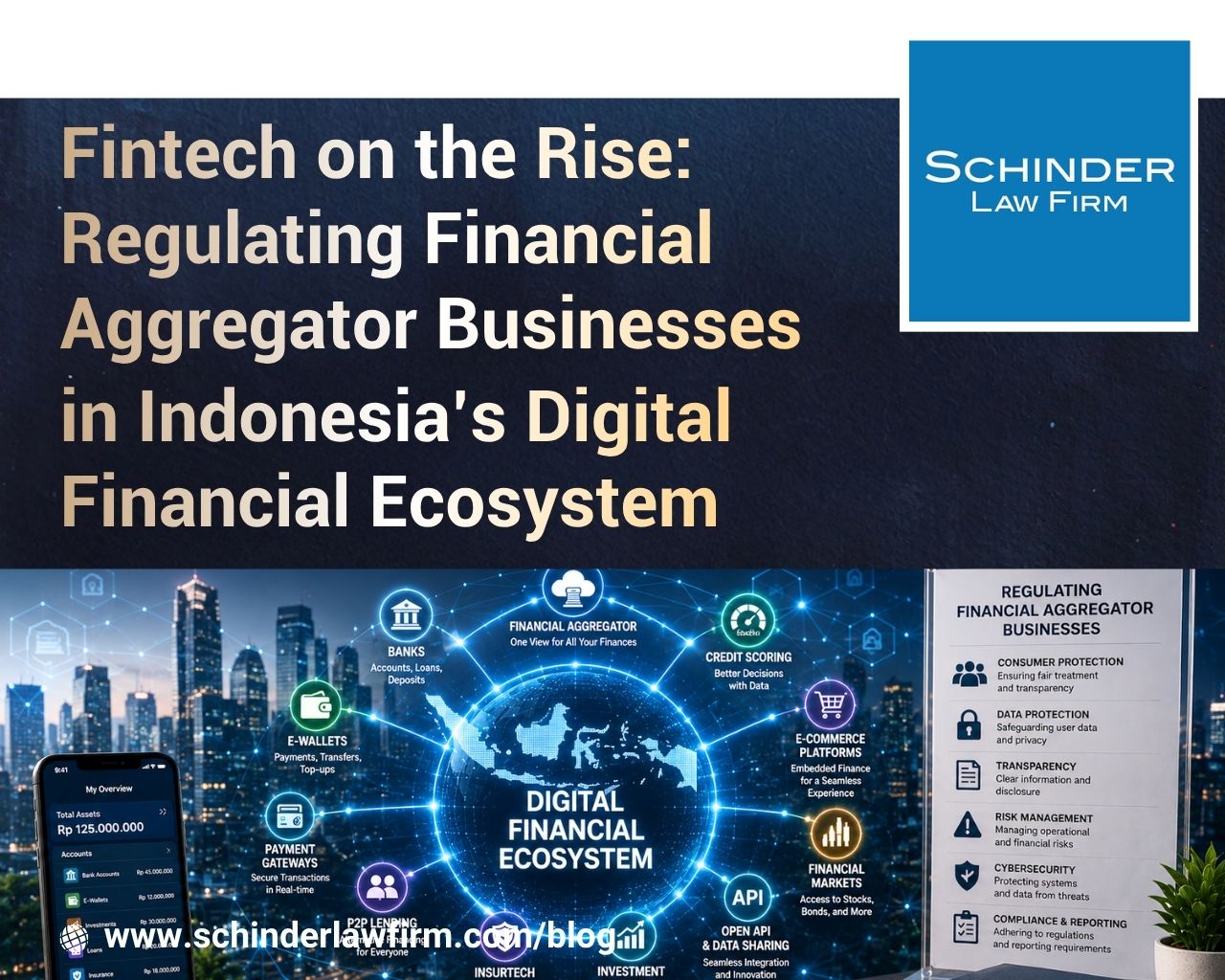
Fintech on the Rise: Regulating Financial Aggregator Businesses in Indonesia’s Digital Financial Ecosystem
The ongoing digitalization of Indonesia’s financial services sector has accelerated the emergence of platforms that aggregate financial products and services from multiple providers. These platforms enable consumers to access, compare, and manage a range of financial products through a single digital interface, thereby enhancing market accessibility and consumer convenience...
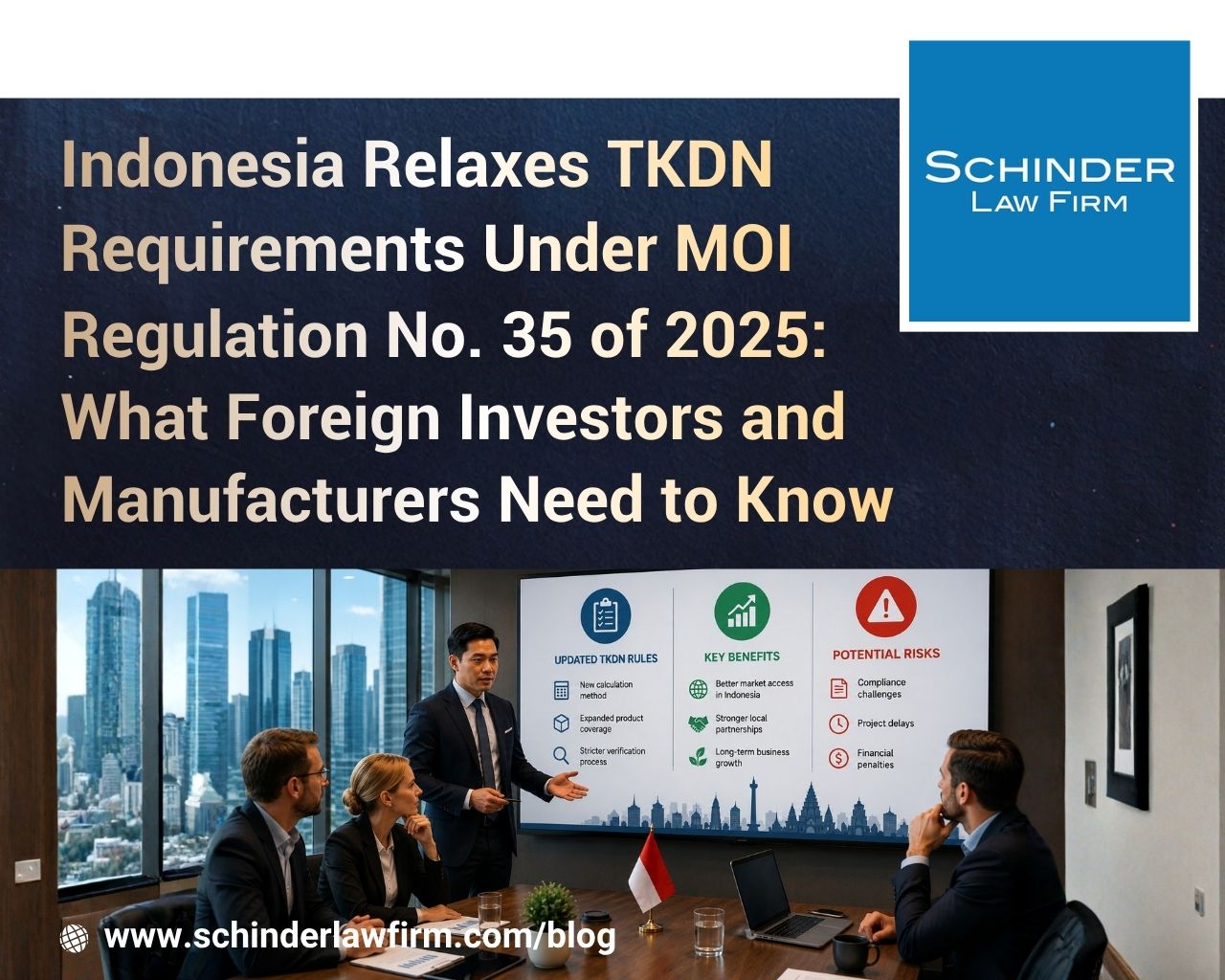
Indonesia Relaxes TKDN Requirements Under MOI Regulation No. 35 of 2025: What Foreign Investors and Manufacturers Need to Know
Indonesia has introduced a significant reform to its Domestic Component Level (Tingkat Komponen Dalam Negeri or “TKDN”) regime through the issuance of Minister of Industry Regulation No. 35 of 2025 (“Permenperin 35/2025”). The regulation reflects the Government’s effort to create a more flexible and investment-friendly approach toward local content requirements in Indonesia...
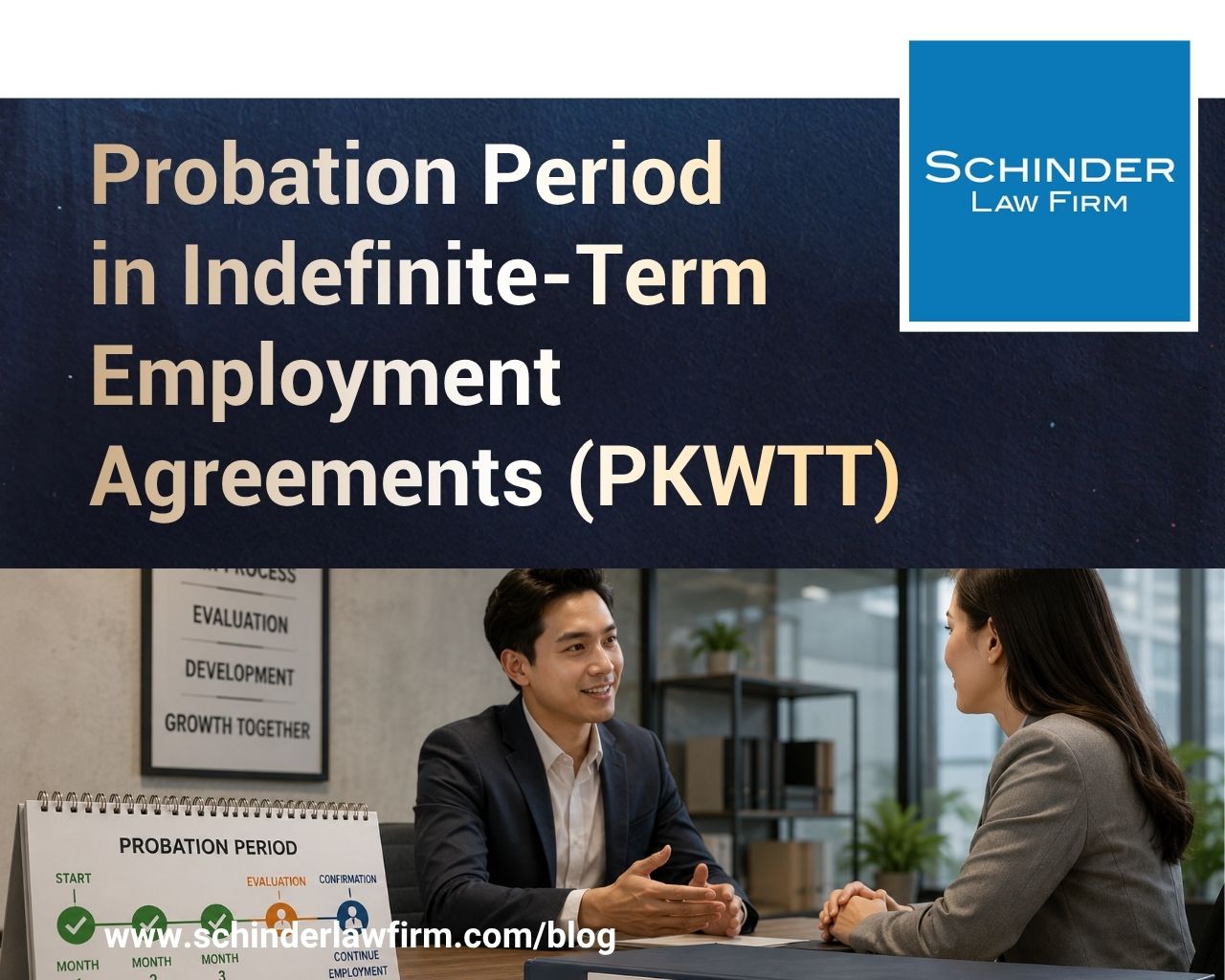
Probation Period in Indefinite-Term Employment Agreements (PKWTT)
The probation period (masa percobaan kerja) remains a common feature in employment practices in Indonesia, particularly within Perjanjian Kerja Waktu Tidak Tertentu (PKWTT) or indefinite-term employment agreements. While probation serves as a mechanism for employers to evaluate employee suitability, Indonesian labor law imposes clear statutory limitations and obligations to ensure worker protection during this period...
Ensuring Compliance with Indonesian Wage Regulations
Wages constitute one of the most fundamental elements in the employment relationship between employers and employees. A fair and transparent wage system not only supports employee welfare but also provides legal certainty for companies in managing their workforce. Under Indonesian labor law, the regulation of wage structures, wage scales, and wage components is governed...

When Projects Stall: Managing Delay and Cost Overrun Risk in Indonesia’s Construction Sector
Indonesia continues to experience rapid infrastructure and construction growth, driven by urban development, industrial expansion, and national strategic projects. While these projects present significant economic opportunities, they also carry increasing legal and commercial risk. Delays in project completion, cost overruns, and disputes regarding responsibility have become recurring challenges across the construction sector...
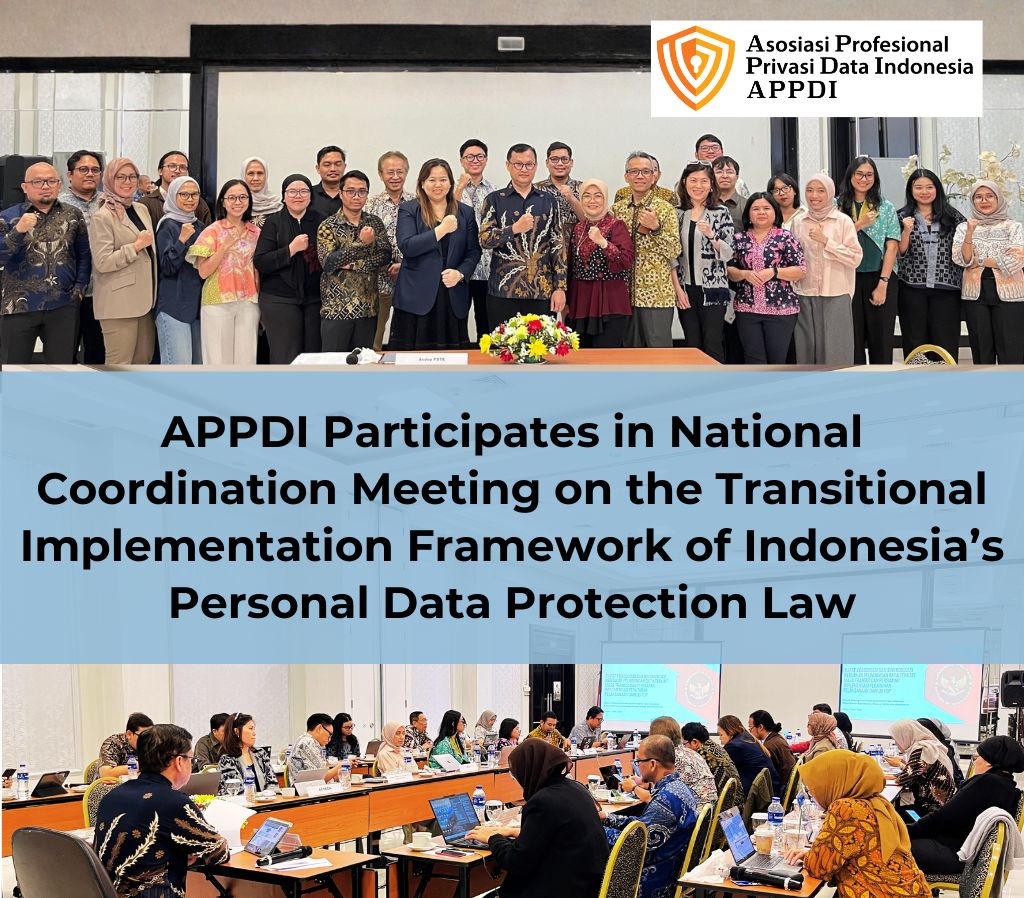
APPDI Participates in National Coordination Meeting on the Transitional Implementation Framework of Indonesia’s Personal Data Protection Law
The Personal Data Protection Act 2010 Malaysia (PDPA) provides the principal legal framework governing personal data protection in Malaysia. Among its enforcement mechanisms, Section 108 empowers the Personal Data Protection Commissioner (“Commissioner”) to issue enforcement notices where a data user is either contravening a provision of the Act or has contravened it in circumstances making further contravention likely...
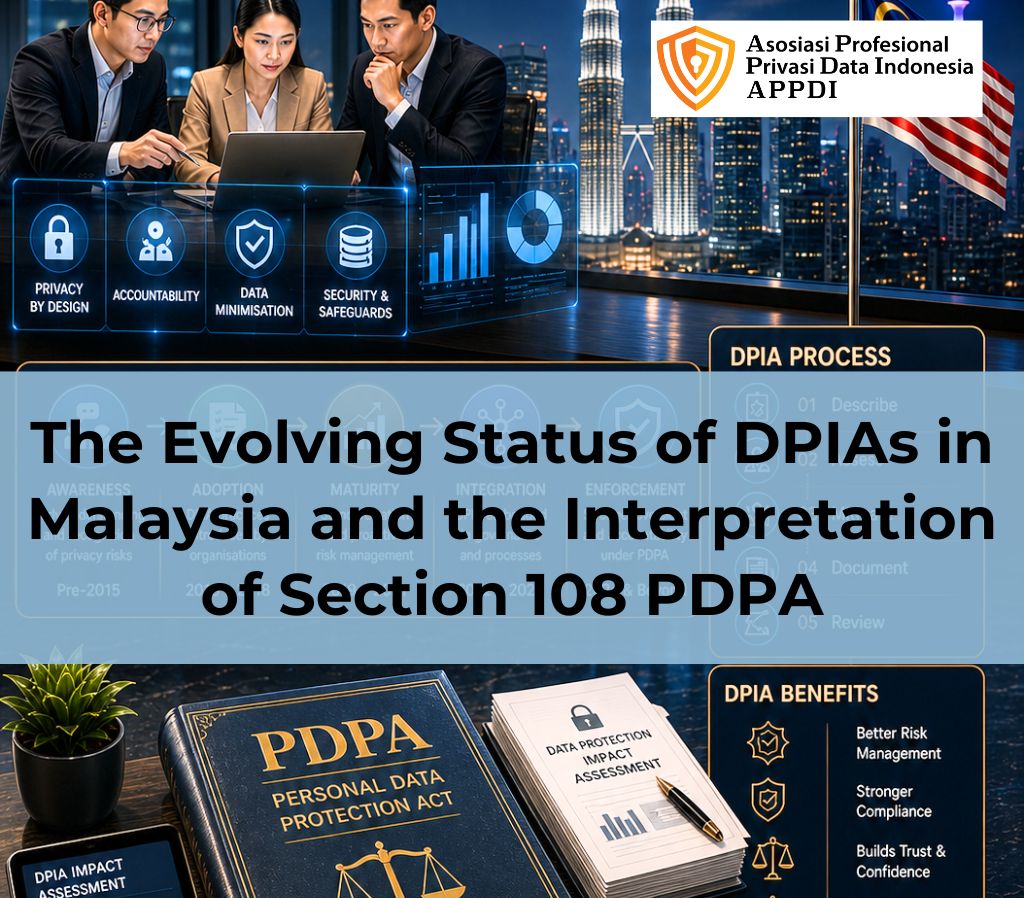
From Soft Law to Hard Consequences: DPIA Guideline and the Expanding Reach of Section 108 PDPA
The Personal Data Protection Act 2010 Malaysia (PDPA) provides the principal legal framework governing personal data protection in Malaysia. Among its enforcement mechanisms, Section 108 empowers the Personal Data Protection Commissioner (“Commissioner”) to issue enforcement notices where a data user is either contravening a provision of the Act or has contravened it in circumstances making further contravention likely...
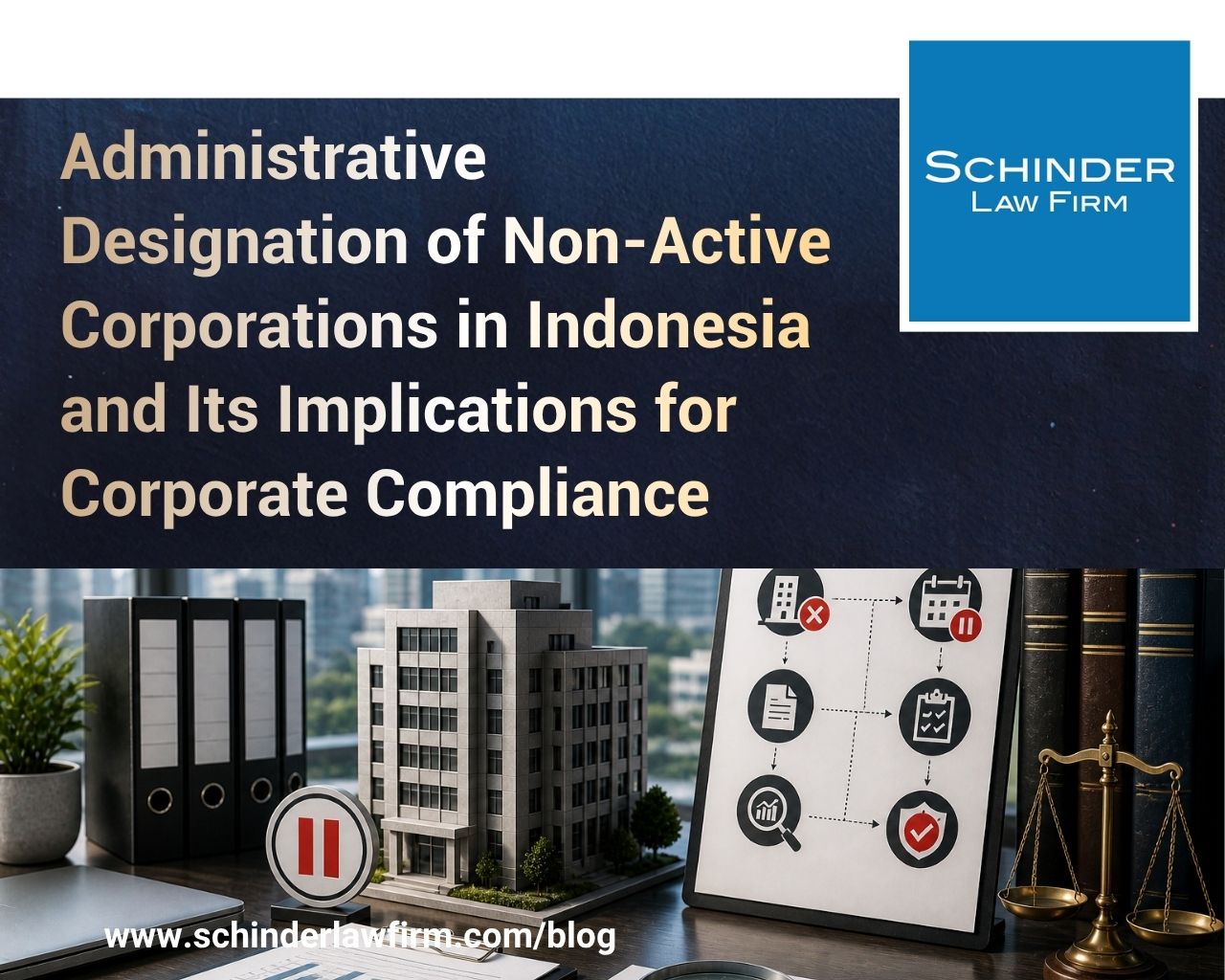
Administrative Designation of Non-Active Corporations in Indonesia and Its Implications for Corporate Compliance
Ministry of Law of the Republic of Indonesia through the Directorate General of General Legal Administration (AHU) has established a policy concerning the administrative designation of non-active corporations as stipulated in Circular Letter of the Director General of General Legal Administration...

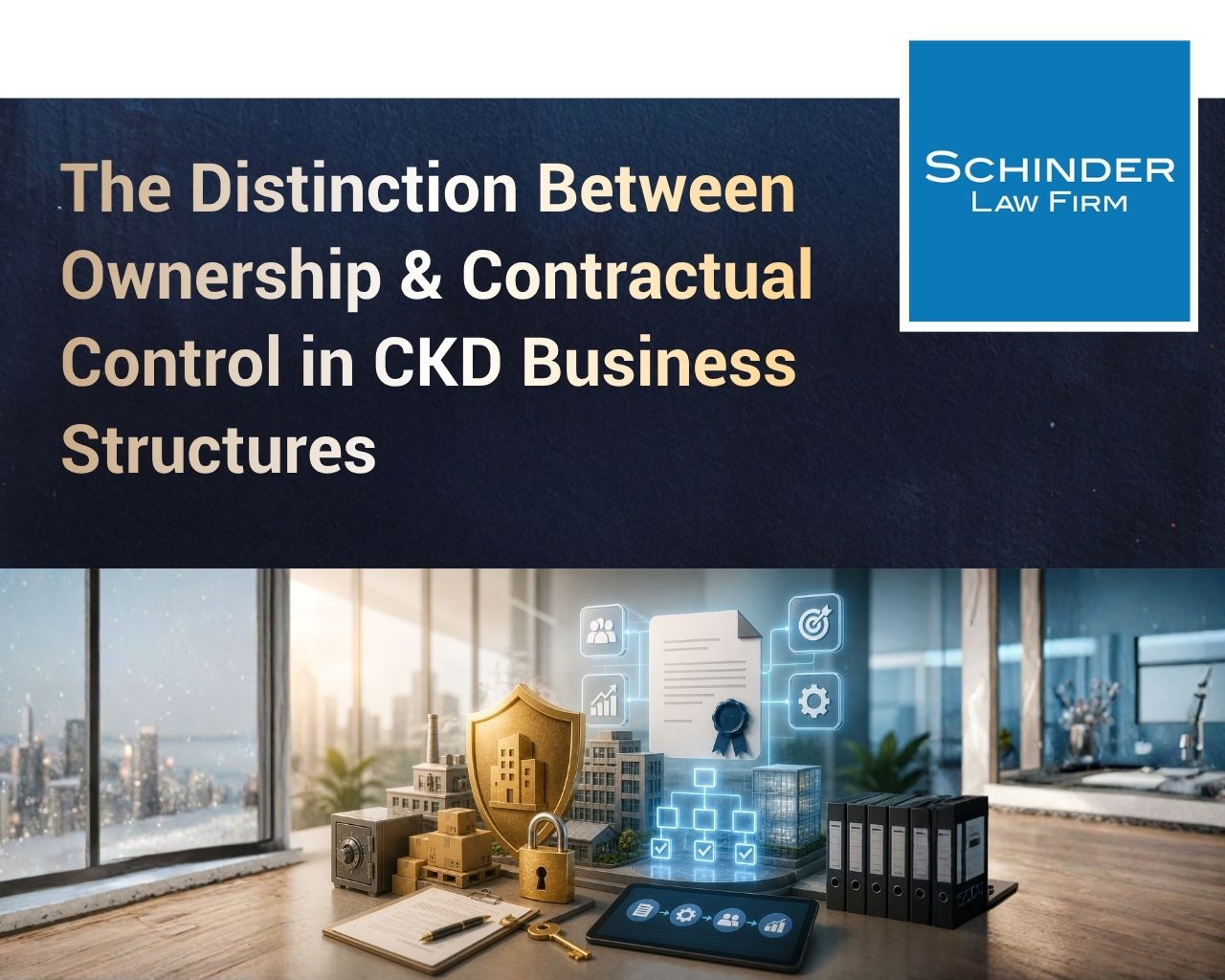
The Distinction Between Ownership and Contractual Control in CKD Business Structures
In a corporate business context, control by foreign or external parties typically happened through shareholding. However, in certain circumstances, such control does not derive from equity ownership, but rather established contractually, one example being through a Completely Knocked Down...
Implementation of KBLI 2025 in the OSS System: Timeline, Adjustment Requirements, and Legal Implications
In accordance to the implementation of KBLI 2025 as stipulated in Government Regulation No. 28 of 2025 concerning the Administration of Risk-Based Business Licensing (“GR 28/2025”), the Minister of Investment and Downstream Industry/Head of the Investment Coordinating Board, the Minister of Law...
Good Faith vs. Fixed Price: Navigating Cost Escalation Claims in Indonesia
In business practice, commercial relationships are typically formalized through legally binding contracts. However, during the implementation of the contract, circumstances beyond the parties’ anticipation or the contractual scope may arise. These situations are frequently associated with force majeure...

Intellectual Property, Cross-Border Data, and Compliance Risks in Artificial Intelligence Deployment
Part 2: Who Is Liable When Artificial Intelligence Causes Harm?
“Intellectual Property, Cross-Border Data, and Compliance Risks in AI Deployment”: Deploying artificial intelligence technology is often viewed as a technical or operational milestone. In practice, however, legal risk frequently…
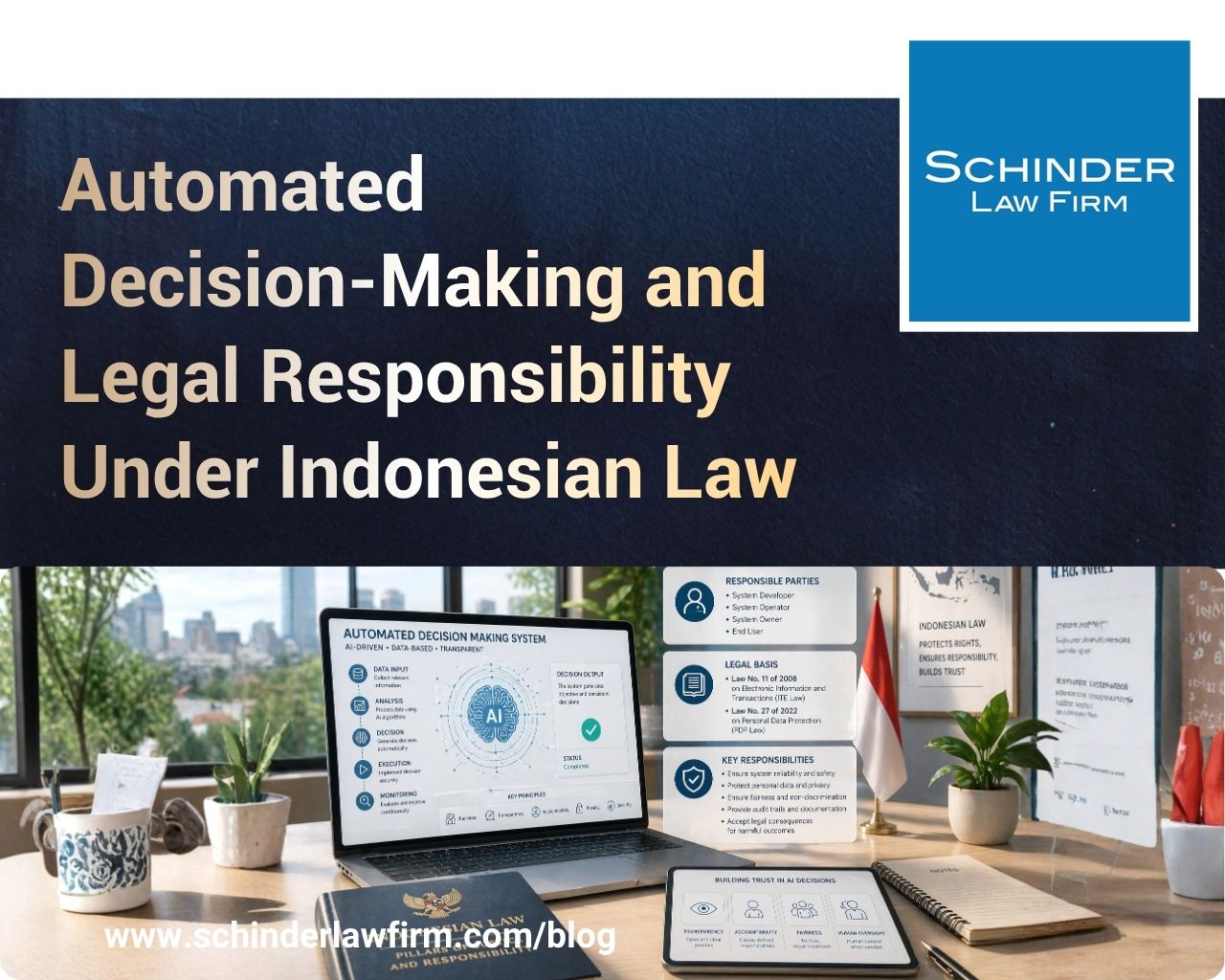
Automated Decision-Making and Legal Responsibility Under Indonesian Law
Part 1: Who Is Liable When Artificial Intelligence Causes Harm?
“Automated Decision-Making and Legal Responsibility Under Indonesian Law”: Artificial intelligence (AI) technologies are increasingly embedded in business operations across Indonesia, including financial services, digital...

Choosing Legal Strategy in Default of Payment: Civil Lawsuit or PKPU Petition?
To pursue the fulfillment of rights relating to payment, one shall first understand the types of mechanism available at law. Under the civil law regime in Indonesia, non-performance of payment obligation may be pursued through, among others, civil lawsuit (gugatan perdata) mechanism based on the general civil law framework or suspension of debt payment obligation petition...

Naz Schinder Engages in High-Level Dialogue Across Vienna, Berlin and London on Indonesia’s Legal Education, Arbitration and Investment Environment
In recent weeks, Ms. Naz Schinder, Founding Chairperson and Chief Executive Officer of the Bali International Arbitration and Mediation Centre (BIAMC), and Founder and Managing Partner of Schinder Law Firm, undertook a series of official visits to Vienna, Berlin and London. During these visits, she met with the Ambassadors of the Republic of Indonesia to Austria, Germany and the United Kingdom...