Buying Land in Bali? Understanding Protected Paddy Fields (Lahan Sawah Dilindungi/LSD) Before Investing
Bali has long been one of Indonesia's most attractive destinations for property and tourism investment. The growing tourism industry and increasing demand for villas, hotels, restaurants, beach clubs, wellness centers, and other commercial developments continue to drive strong demand for land across the island...
Foreign Investment in Indonesia's Digital Economy: Regulatory Challenges in 2026
Indonesia's digital economy continues to attract significant foreign investment, driven by the rapid growth of artificial intelligence (AI), cloud computing, data centres, and digital services. While these sectors offer substantial business opportunities, foreign investors are increasingly required to navigate a more comprehensive regulatory framework that extends beyond investment licensing...

Beauty Clinic License in Bali: Legal Requirements for Advanced Aesthetic Treatments, KBLI, and Operational Compliance
Bali has become one of Southeast Asia's leading destinations for beauty, wellness, and medical tourism. Every year, both local and foreign investors establish new aesthetic businesses to meet the growing demand from residents, expatriates, and international visitors seeking advanced beauty and anti-aging treatments...
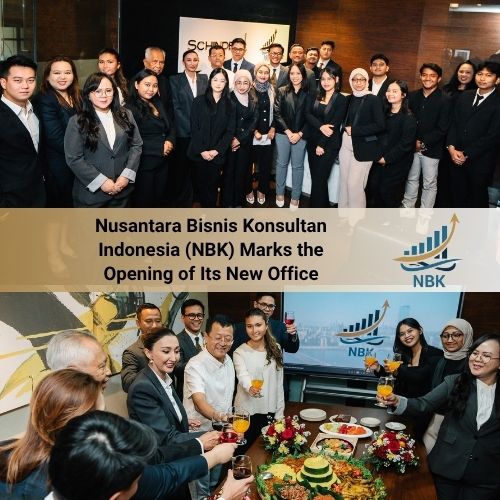
Nusantara Bisnis Konsultan Indonesia (NBK) Marks the Opening of Its New Office
Building on incredible years in the field, Nusantara Bisnis Konsultan Indonesia marked the opening of its new office on the 37th floor of Centennial Tower, Jakarta, on 24 July 2026...
OSS Has Automatically Updated Your KBLI — But Is Your Indonesian Company Actually Compliant?
Following the implementation of KBLI 2025, Indonesia’s Online Single Submission system (OSS) has begun converting existing business classification codes to the new standard.
For many companies, the visible result appears reassuring: the Business Identification Number (NIB) remains valid, and existing business licenses have not been marked as expired...

Promoted to Permanent Status and Then Resigned: Do Compensation Rights Under a Fixed-Term Contract Survive?
In industrial relations practice in Indonesia, it is not uncommon for companies to convert employees working under a Fixed-Term Employment Agreement (Perjanjian Kerja Waktu Tertentu or “PKWT”) into employees under a Permanent Employment Agreement (Perjanjian Kerja Waktu Tidak Tertentu or “PKWTT”) before the expiration of their contract period. This step is generally taken due to the company’s business needs or as a form of appreciation for employees whose performance is considered satisfactory...


Ministry of Public Works Strengthens Supervision of Construction Service Business Entities: The Importance of SBU and Construction Licensing Compliance in Indonesia
The Indonesian Government, through the Ministry of Public Works, is currently intensifying its supervision of construction service business entities in Indonesia, particularly concerning the ownership of and compliance with Business Entity Certificates (Sertifikat Badan Usaha or “SBU”), Work Competency Certificates (Sertifikat Kompetensi Kerja or “SKK”), Business Identification Numbers (Nomor Induk Berusaha or “NIB”), Standard Certificates, and other construction-related licenses...
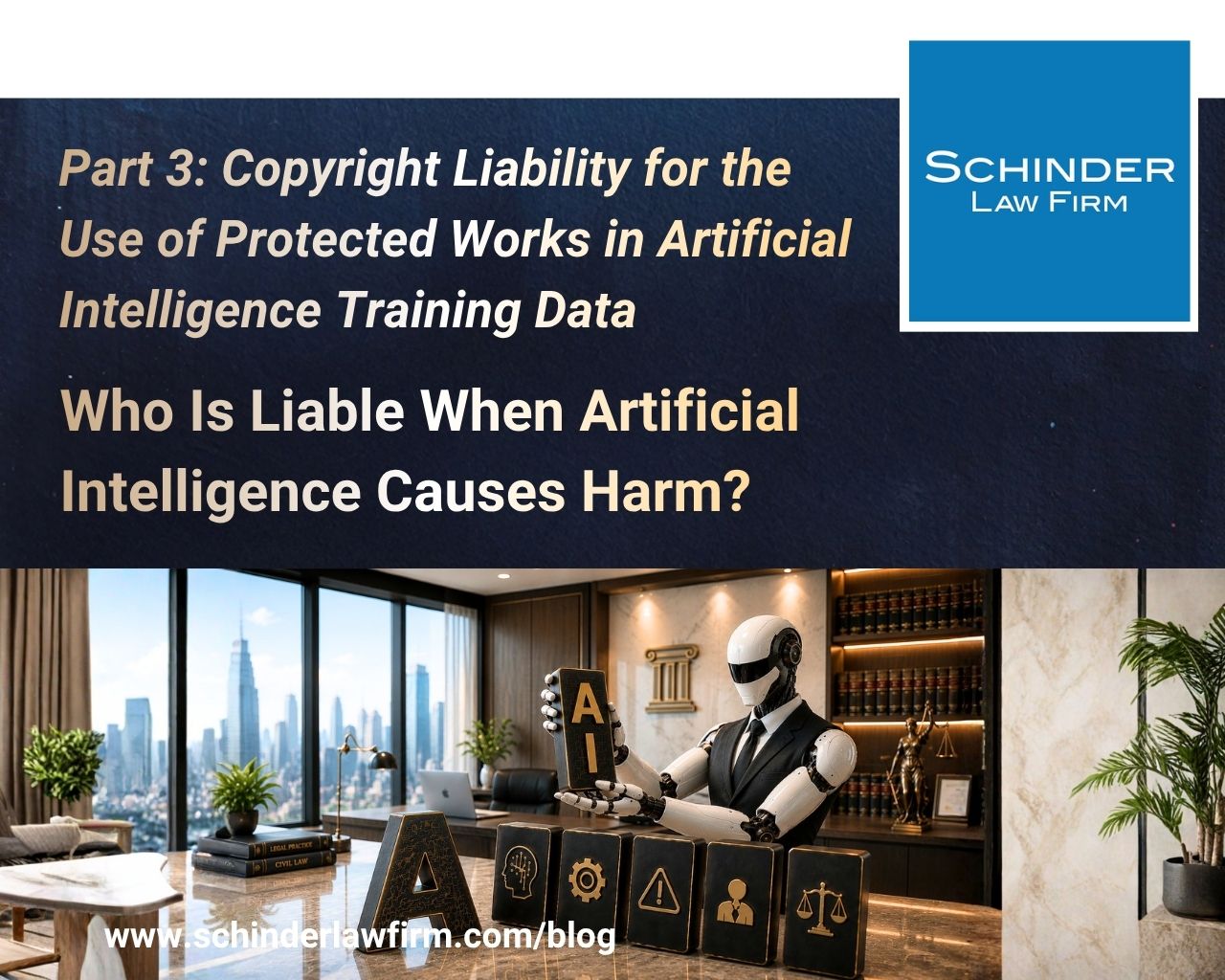
Part 3-Copyright Liability for the Use of Protected Works in Artificial Intelligence Training Data
Beyond questions of ownership and commercialization discussed previously, artificial intelligence deployment also raises significant legal concerns regarding the use of copyrighted materials in training datasets.
Artificial intelligence systems rely heavily on large datasets to develop predictive and generative capabilities. These datasets frequently contain text, images, software code, audio, video, and other forms of copyrighted material collected from online platforms, databases, or third-party repositories...
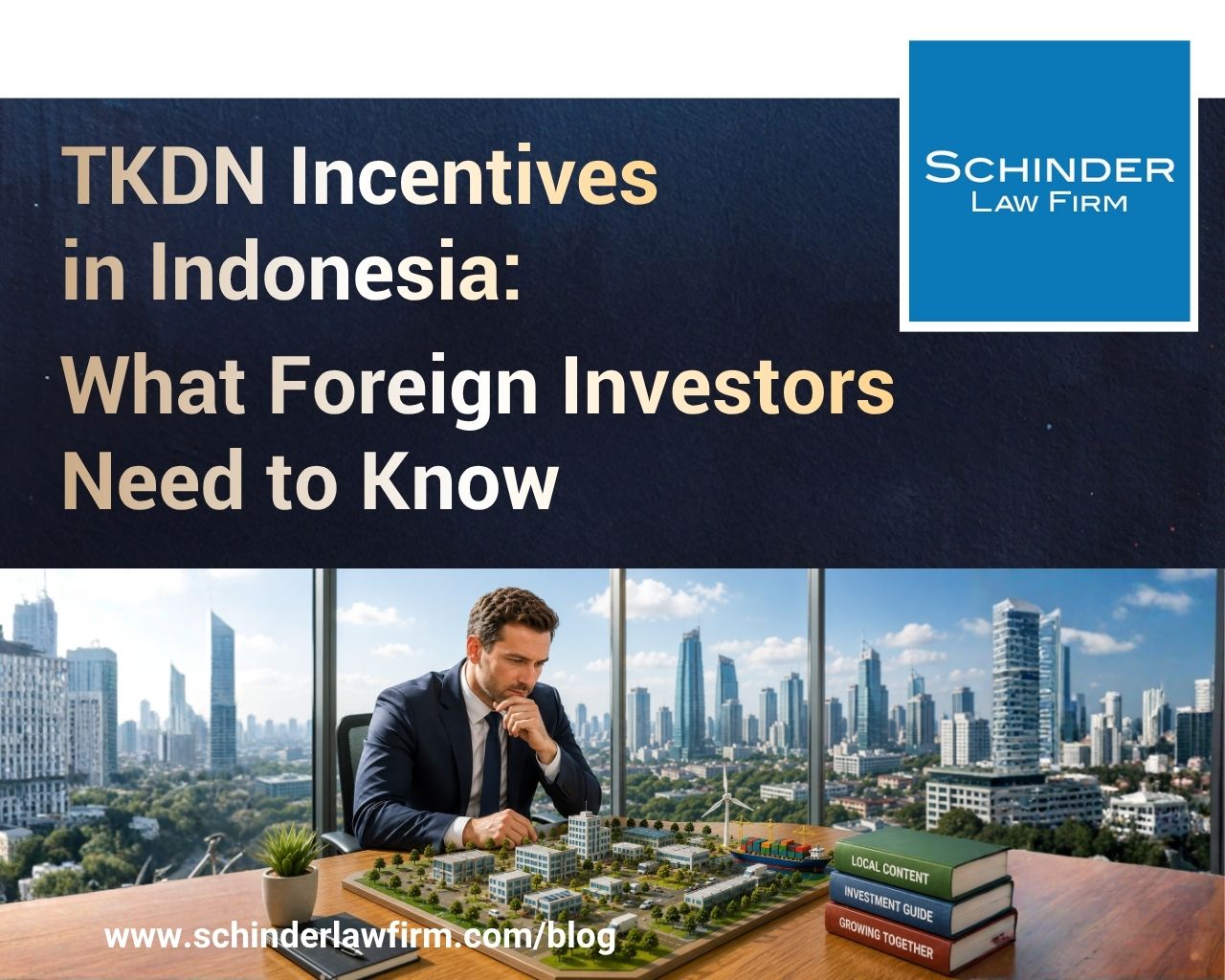
TKDN Incentives in Indonesia: What Foreign Investors Need To Know
One day before International Workers’ Day (“May Day”), which is commemorated annually on May 1, the Indonesian Minister of Manpower issued Minister of Manpower Regulation No. 7 of 2026 concerning Outsourcing Work (“Permenaker 7/2026”). This regulation was enacted to implement Article 64 paragraph (2) in conjunction with Article 81 point 18 of the Job Creation Law, as well as to follow up on Constitutional Court Decision...
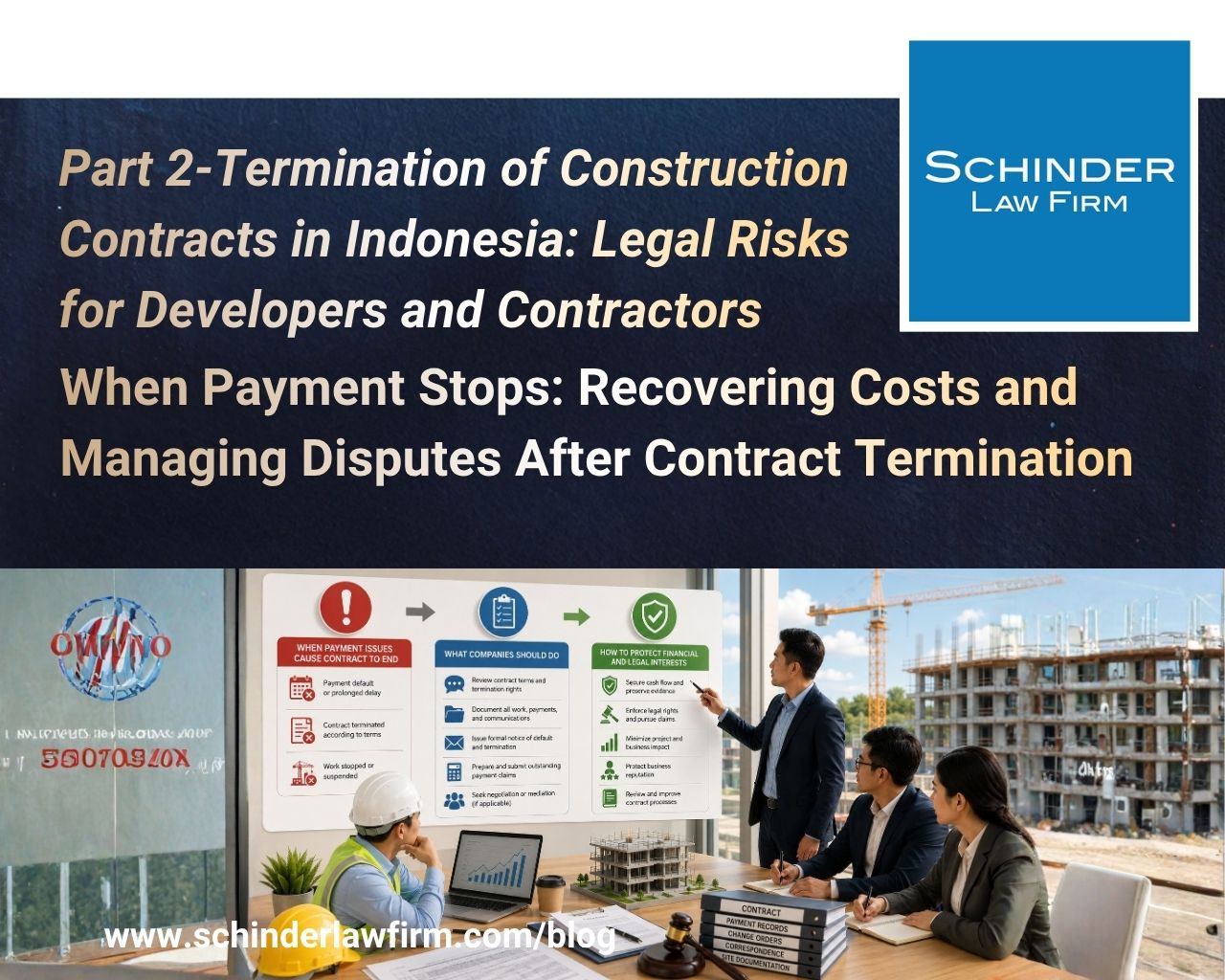
Part 2-Termination of Construction Contracts in Indonesia: Legal Risks for Developers and Contractors
While termination of a construction contract may formally end the working relationship between the parties, it often represents the beginning of a more complex legal and financial process. This is particularly true where termination arises from non-payment or lack of cooperation by the project owner...
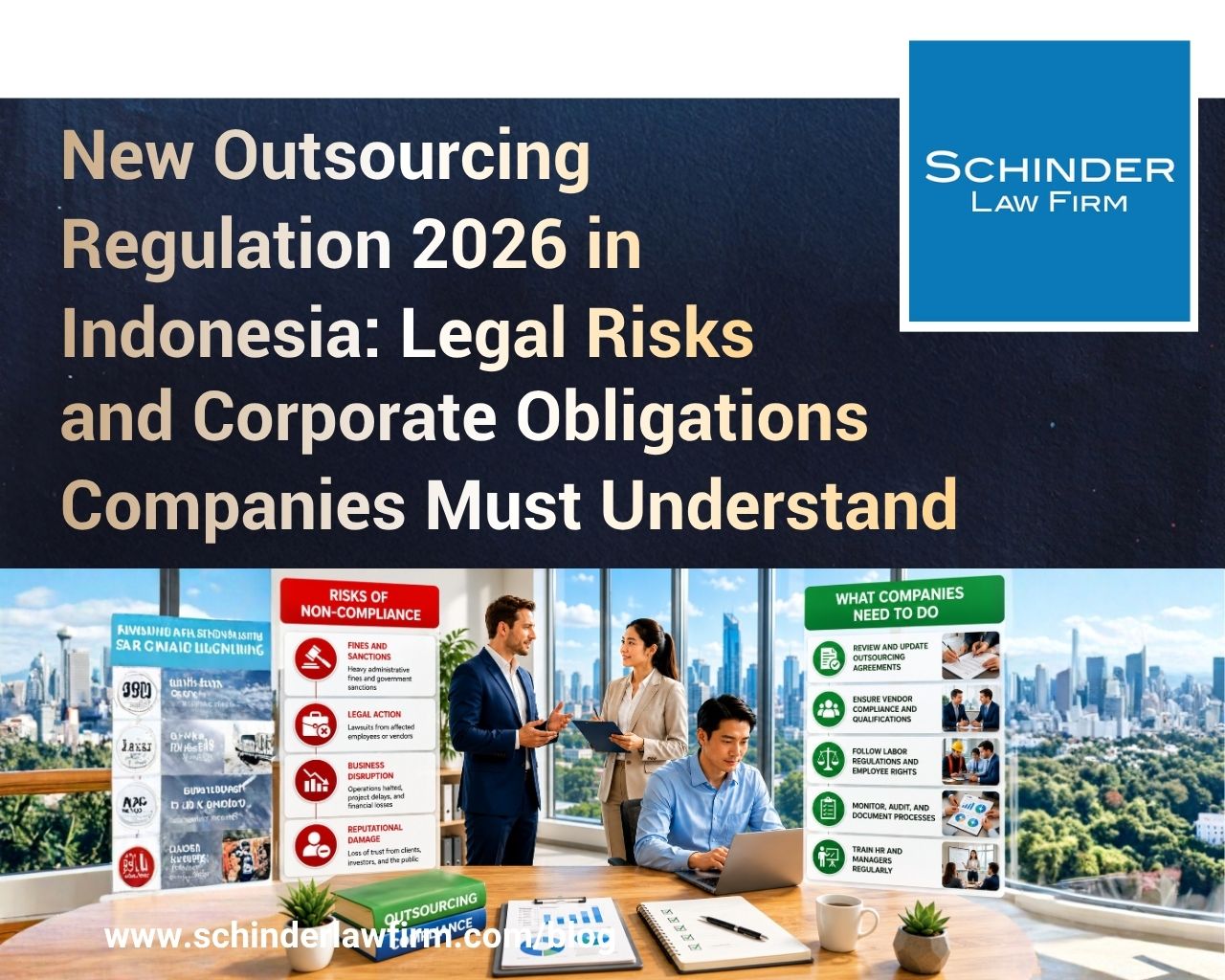
New Outsourcing Regulation 2026 in Indonesia: Legal Risks and Corporate Obligations Companies Must Understand
One day before International Workers’ Day (“May Day”), which is commemorated annually on May 1, the Indonesian Minister of Manpower issued Minister of Manpower Regulation No. 7 of 2026 concerning Outsourcing Work (“Permenaker 7/2026”). This regulation was enacted to implement Article 64 paragraph...
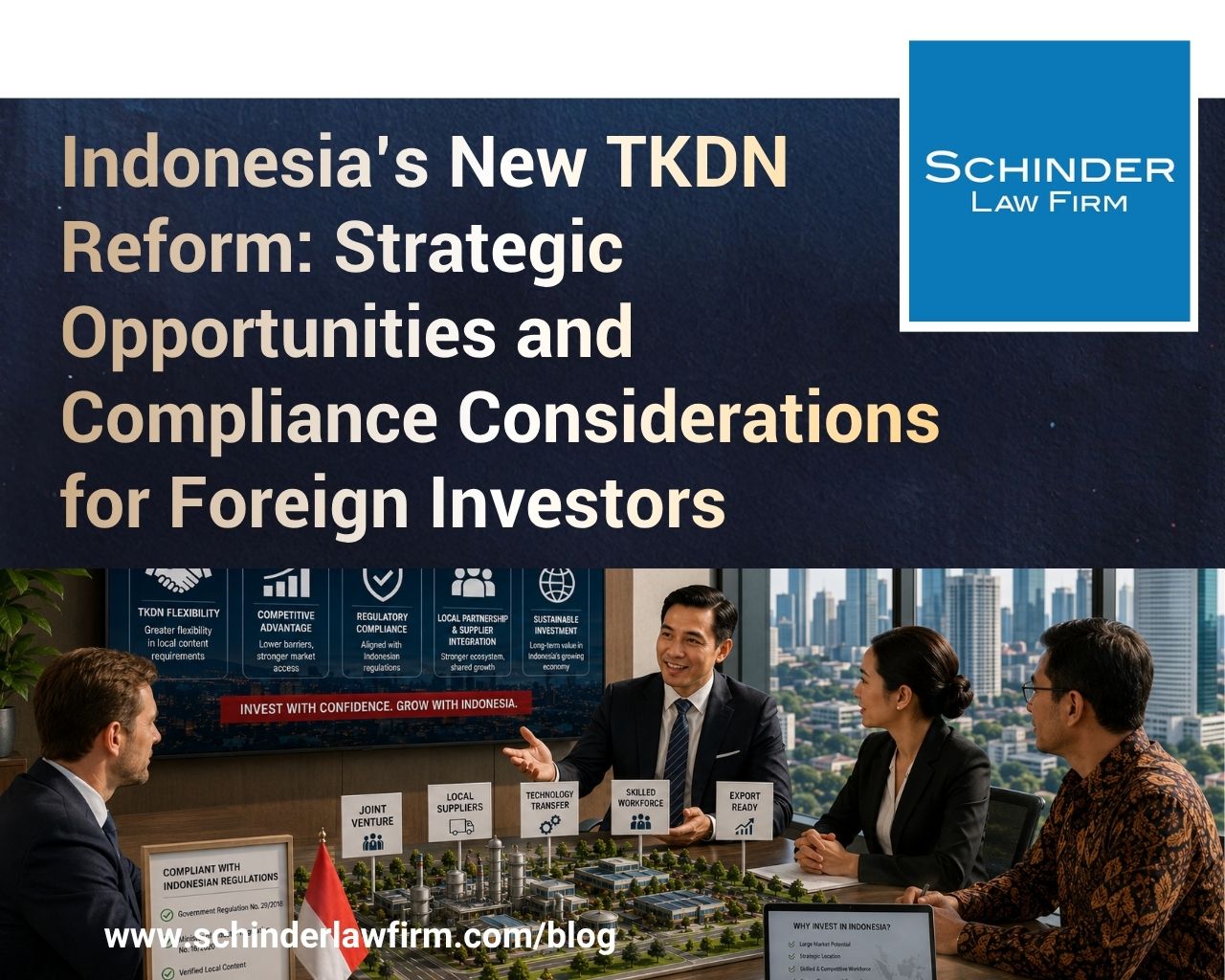
Indonesia’s New TKDN Reform: Strategic Opportunities and Compliance Considerations for Foreign Investors
Indonesia continues to strengthen its Domestic Component Level (Tingkat Komponen Dalam Negeri or “TKDN”) policy as part of the government’s broader strategy to develop local industries, encourage sustainable foreign direct investment, and increase domestic manufacturing capacity. For foreign investors entering the Indonesian market...

Part 1-Termination of Construction Contracts in Indonesia: Legal Risks for Developers and Contractors
Construction projects in Indonesia are becoming larger, more complex, and subject to tighter delivery schedules. At the same time, developers and contractors are facing growing operational challenges, including financing constraints, supply chain disruptions, regulatory compliance issues, and changing project requirements. In this environment, the termination of construction contracts has become an increasingly common outcome...
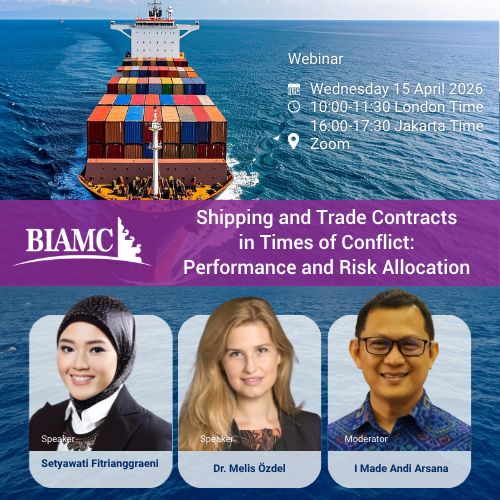
Shipping and Trade Contracts in Times of Conflict: Performance and Risk Allocation
The Bali International Arbitration and Mediation Center (BIAMC) held an international webinar titled “Shipping and Trade Contracts in Times of Conflict” on 15 April 2026, bringing together legal practitioners, academics, and dispute resolution professionals to discuss the growing legal and commercial risks affecting international shipping and trade during geopolitical conflict
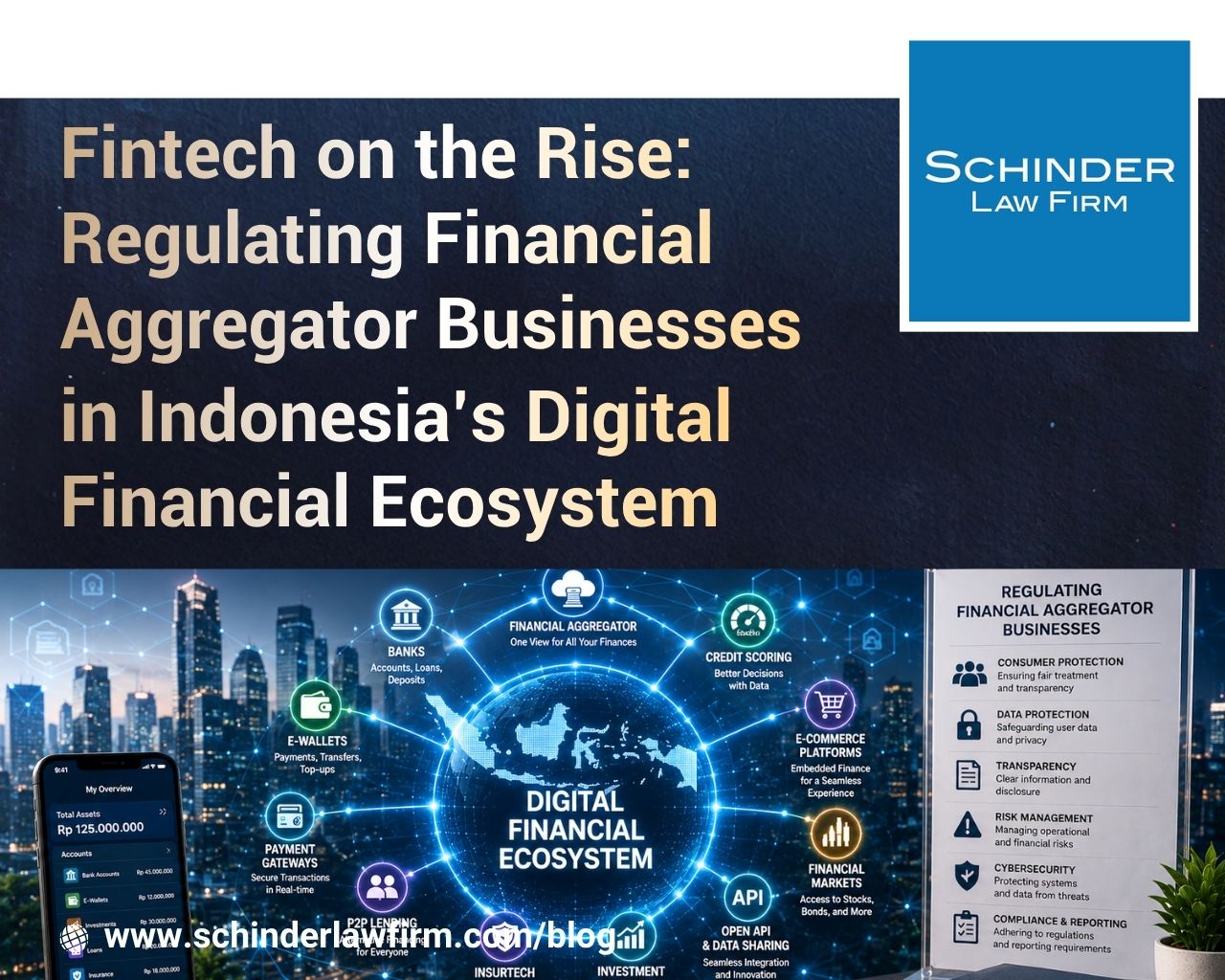
Fintech on the Rise: Regulating Financial Aggregator Businesses in Indonesia’s Digital Financial Ecosystem
The ongoing digitalization of Indonesia’s financial services sector has accelerated the emergence of platforms that aggregate financial products and services from multiple providers. These platforms enable consumers to access, compare, and manage a range of financial products through a single digital interface, thereby enhancing market accessibility and consumer convenience...
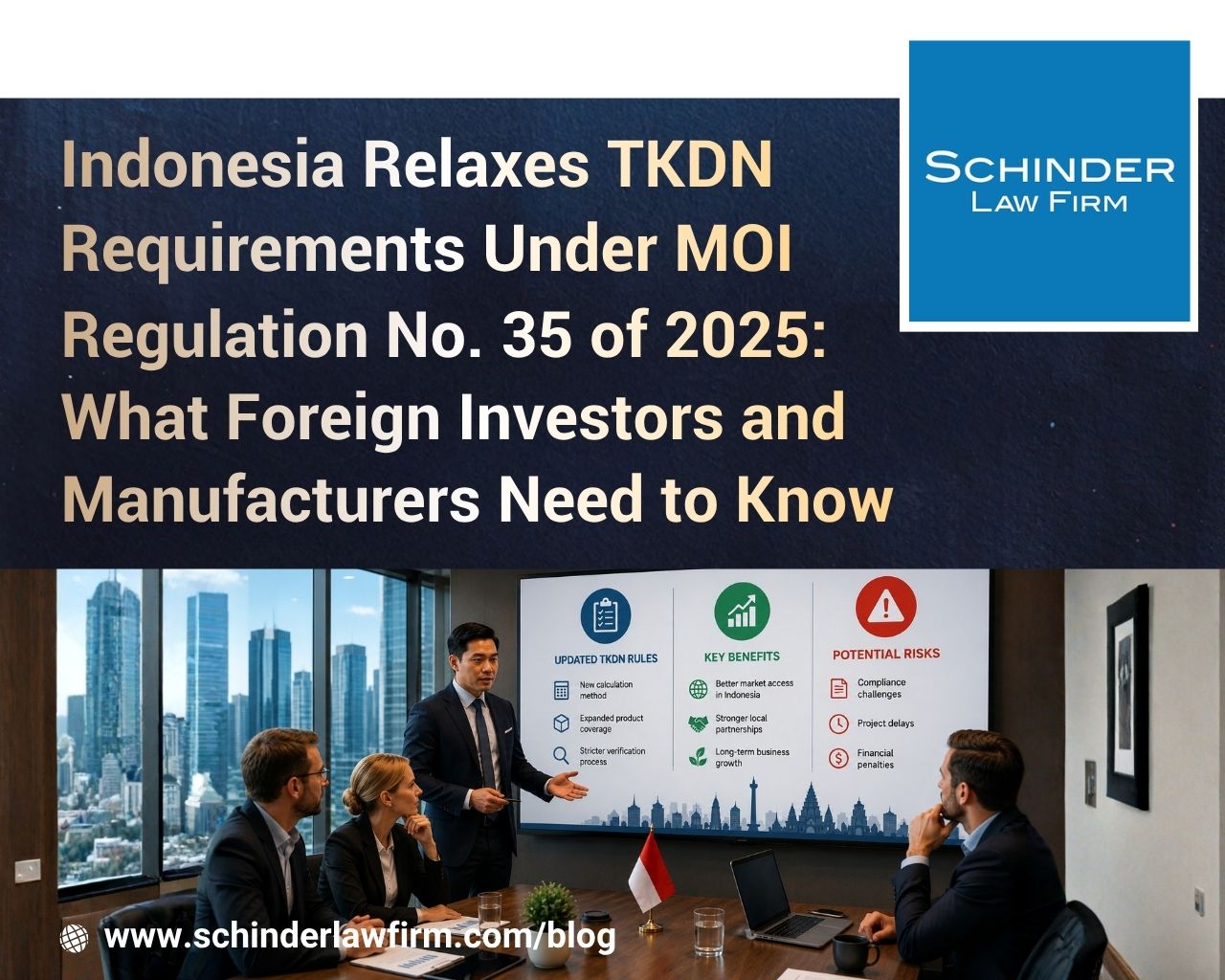
Indonesia Relaxes TKDN Requirements Under MOI Regulation No. 35 of 2025: What Foreign Investors and Manufacturers Need to Know
Indonesia has introduced a significant reform to its Domestic Component Level (Tingkat Komponen Dalam Negeri or “TKDN”) regime through the issuance of Minister of Industry Regulation No. 35 of 2025 (“Permenperin 35/2025”). The regulation reflects the Government’s effort to create a more flexible and investment-friendly approach toward local content requirements in Indonesia...
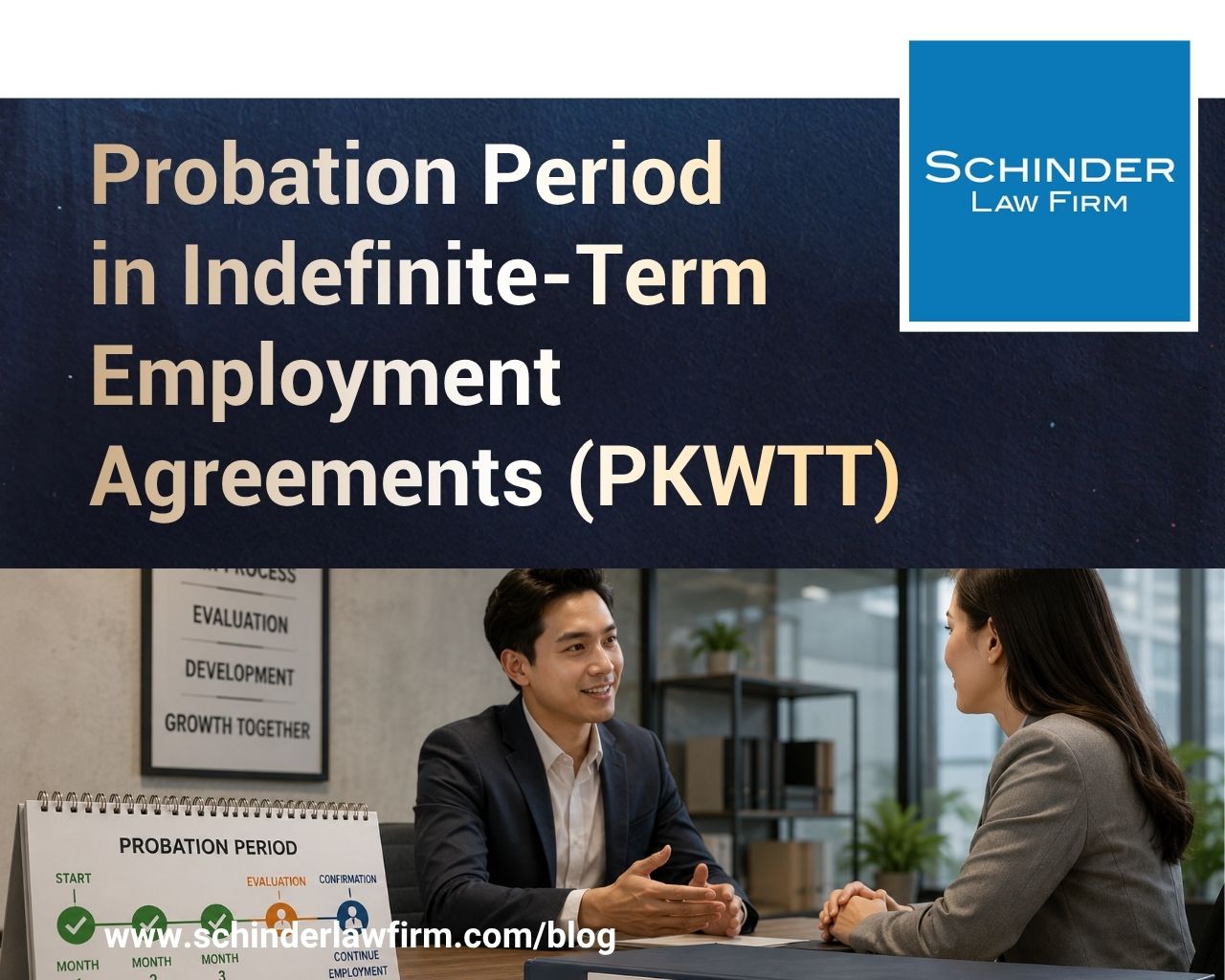
Probation Period in Indefinite-Term Employment Agreements (PKWTT)
The probation period (masa percobaan kerja) remains a common feature in employment practices in Indonesia, particularly within Perjanjian Kerja Waktu Tidak Tertentu (PKWTT) or indefinite-term employment agreements. While probation serves as a mechanism for employers to evaluate employee suitability, Indonesian labor law imposes clear statutory limitations and obligations to ensure worker protection during this period...