Newsletter
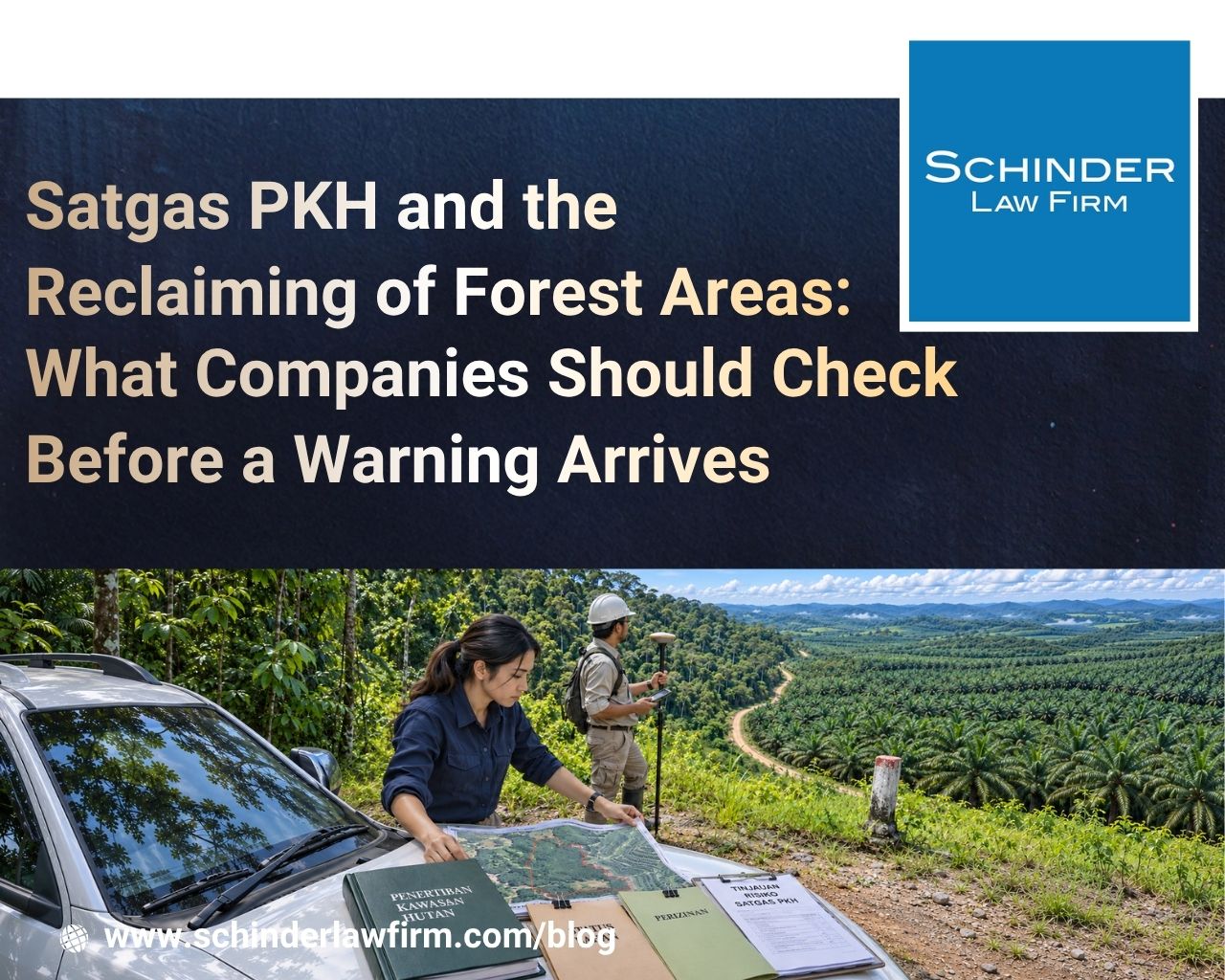
Satgas PKH and the Reclaiming of Forest Areas: What Companies Should Check Before a Warning Arrives
Nov 25, 2026
Indonesia’s forest area enforcement measures under Presidential Regulation No. 5 of 2025 have increased the legal and commercial risks for businesses operating within designated forest areas. Companies should review their land status, forestry permits, and supporting documents before enforcement action begins...

Law No. 27 of 2026: Changes to Annual Leave, Long Service Leave, and Collective Leave Entitlements for Workers in Indonesia
Nov 12, 2026
The Indonesian Government promulgated Law No. 27 of 2026 concerning Employment Protection on 28 October 2026. This law introduces changes to the regulation of workers’ rights, including annual leave, long service leave, and collective leave...
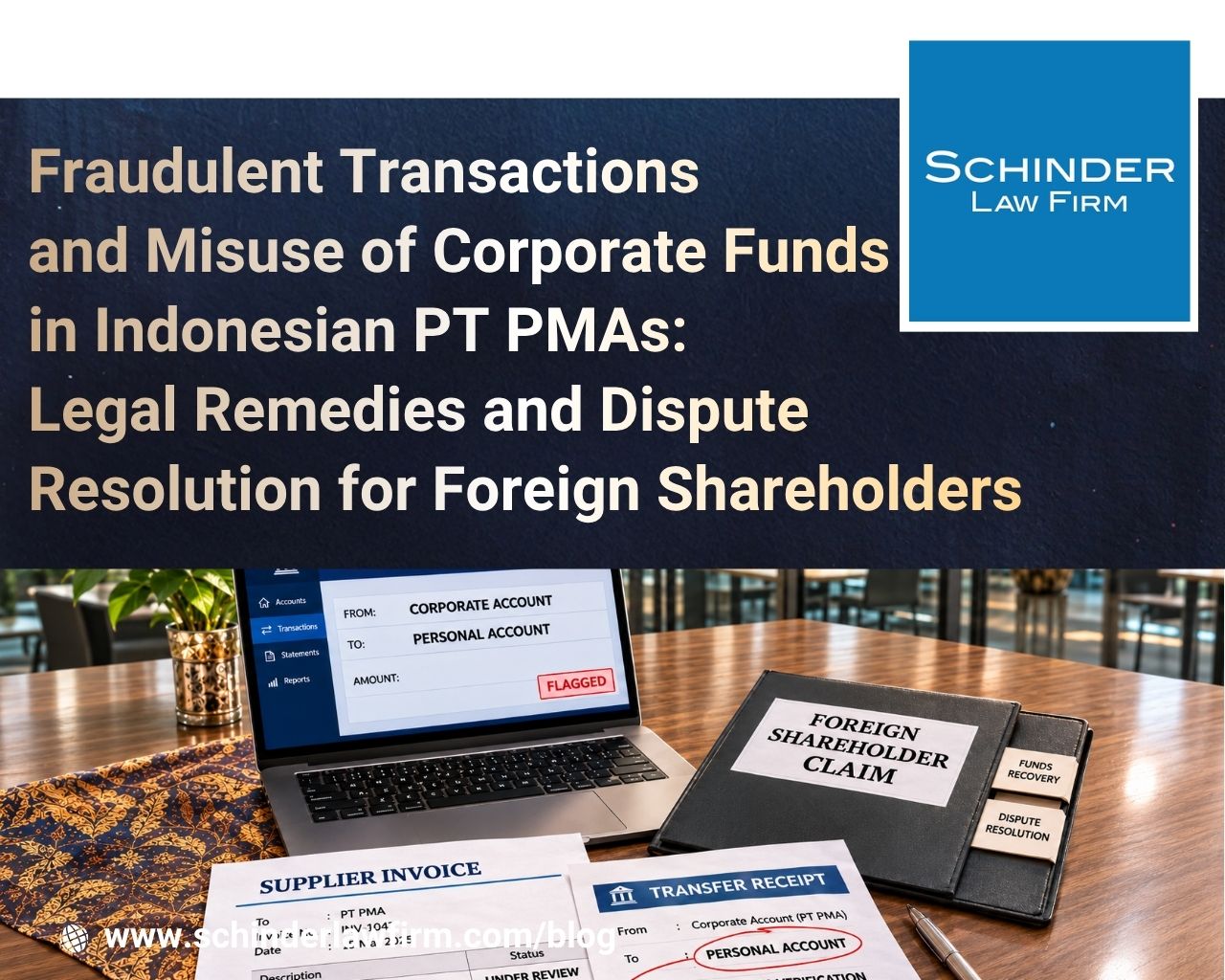
Fraudulent Transactions and Misuse of Corporate Funds in Indonesian PT PMAs: Legal Remedies and Dispute Resolution for Foreign Shareholders
Nov 11, 2026
Foreign investment in Indonesia is commonly conducted through the establishment of a Foreign Investment Limited Liability Company (Perseroan Terbatas Penanaman Modal Asing or “PT PMA”), with foreign investors participating as shareholders...
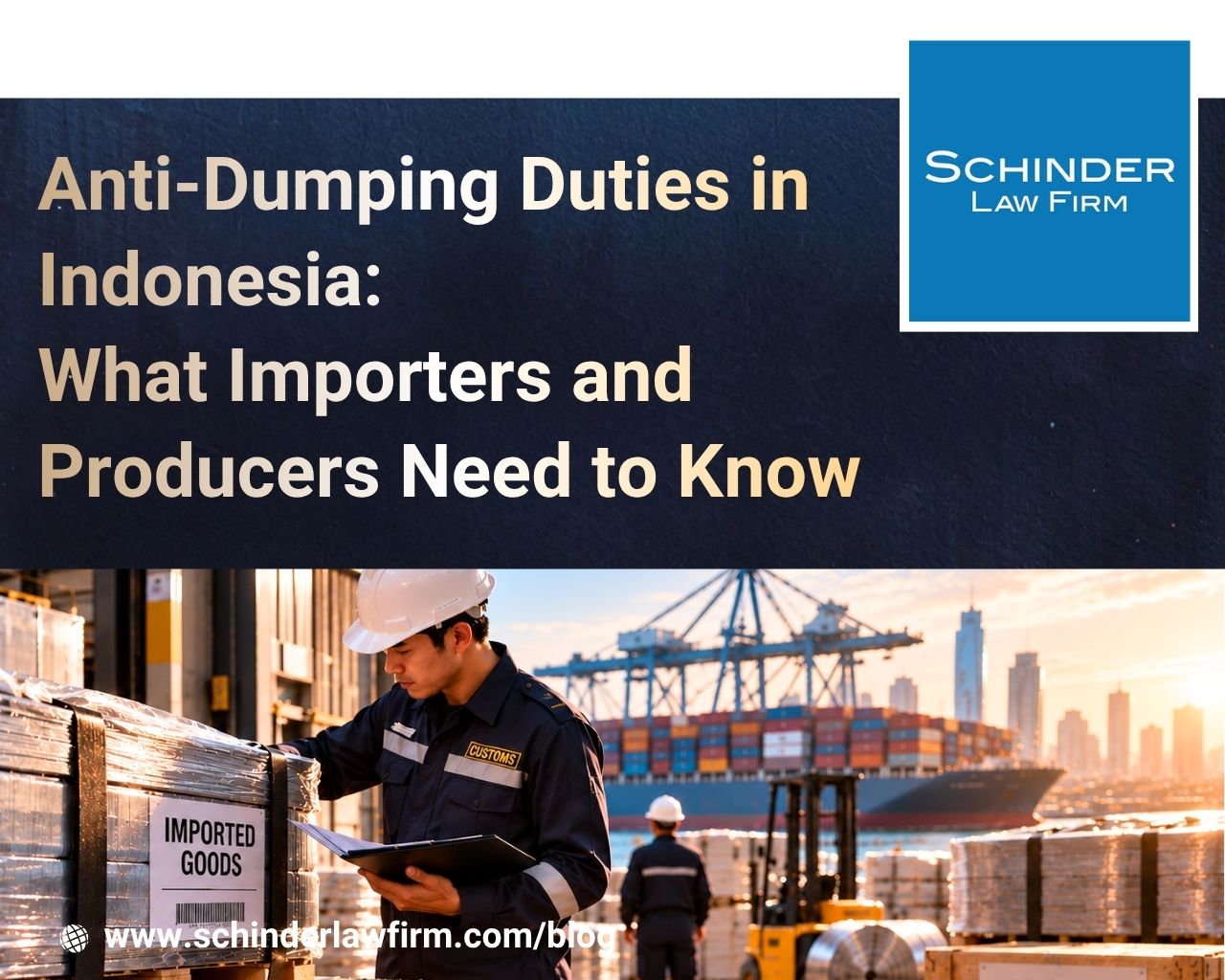
Anti-Dumping Duties in Indonesia: What Importers and Producers Need to Know
Nov 06, 2026
In international trade, importing goods at a lower price does not always mean a transaction will be more profitable. Importers must also consider the possibility of anti-dumping duties (Bea Masuk Antidumping or BMAD), which may be imposed on imported goods found to be dumped and causing injury to domestic industry...
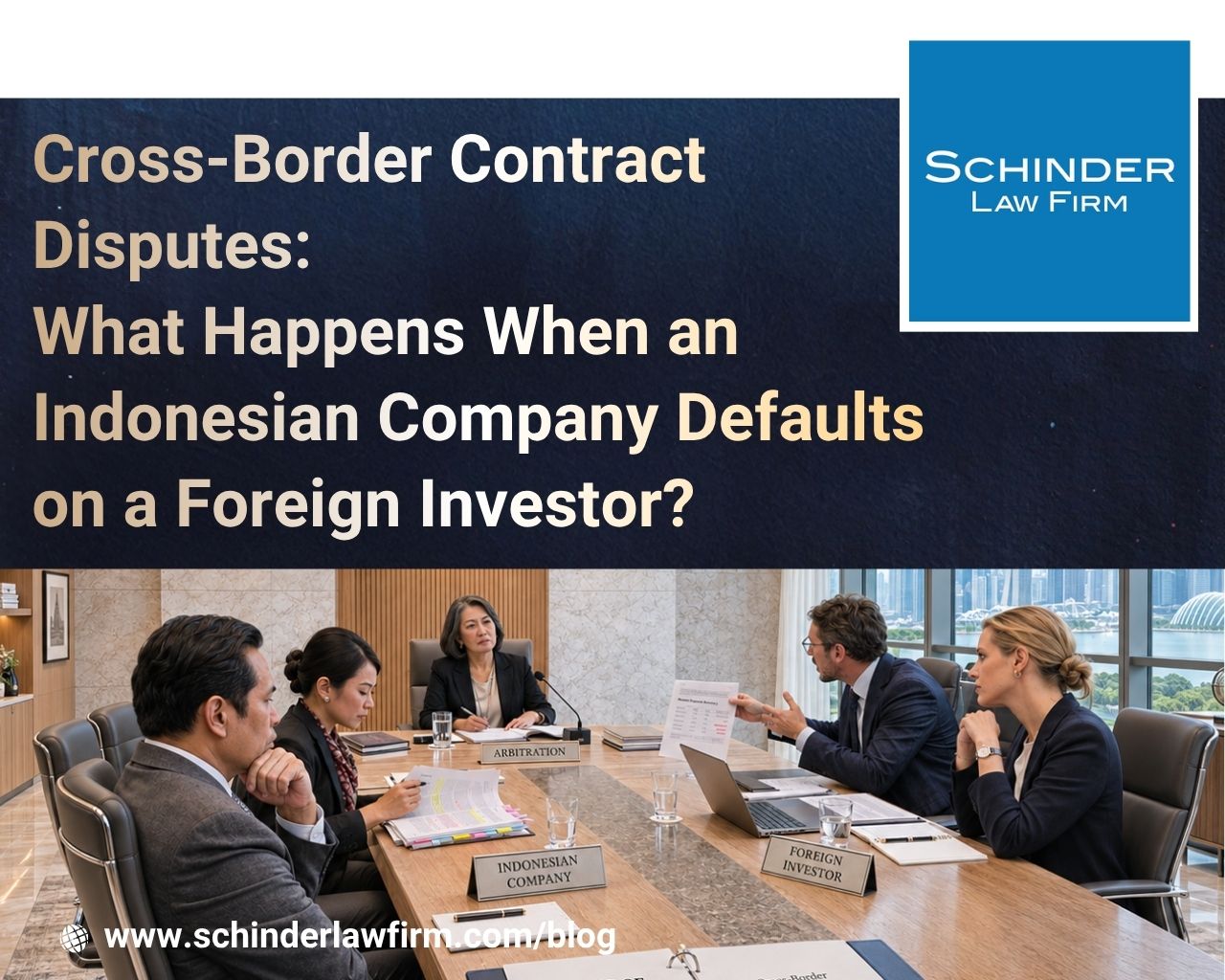
Cross-Border Contract Disputes: What Happens When an Indonesian Company Defaults on a Foreign Investor?
Nov 04, 2026
Cross-border investments often involve contractual relationships between foreign investors and companies established in Indonesia, including Foreign Investment Limited Liability Companies (Perseroan Terbatas Penanaman Modal Asing or “PT PMA”)...

Renewable Energy Project Financing: The Limits of Lenders’ Step-In Rights under a PPA
Nov 02, 2026
A lender financing a renewable energy plant in Indonesia is usually repaid from one source: the electricity the project sells to PT PLN (Persero) (“PLN”) under a power purchase agreement (“PPA”). Under project finance, the loan is serviced from the project’s own cash flow rather than the parent company’s balance sheet, so it depends on the PPA...
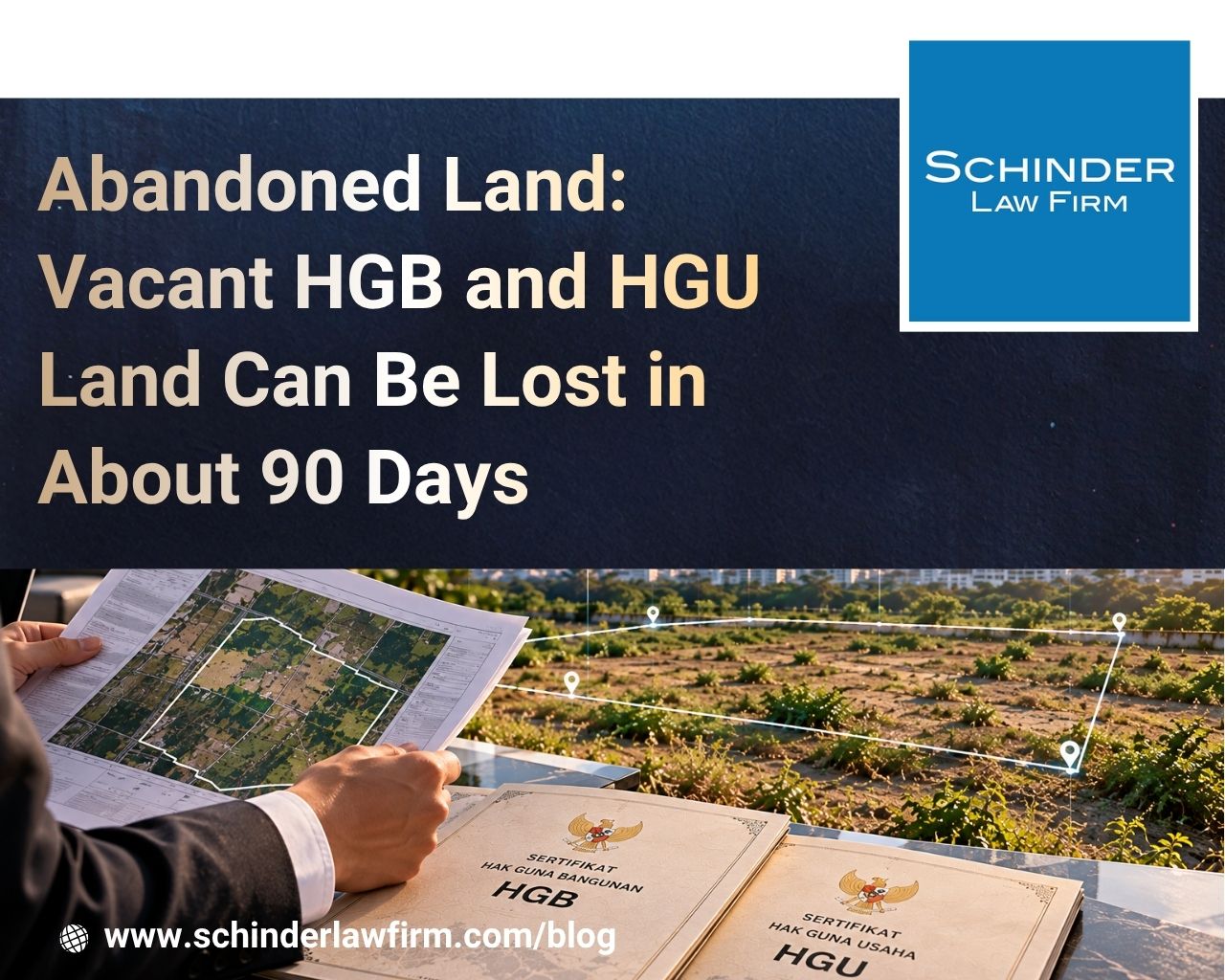
Abandoned Land: Vacant HGB and HGU Land Can Be Lost in About 90 Days
Oct 30, 2026
Many companies buy land first and build later. Funding has not been disbursed, permits are still in process, or business plans change. As long as the Right to Build (Hak Guna Bangunan, “HGB”) or Right to Cultivate (Hak Guna Usaha,“HGU”) certificate remains in the company’s name, the land is usually considered safe. Since 6 November 2025, that assumption has become risky...
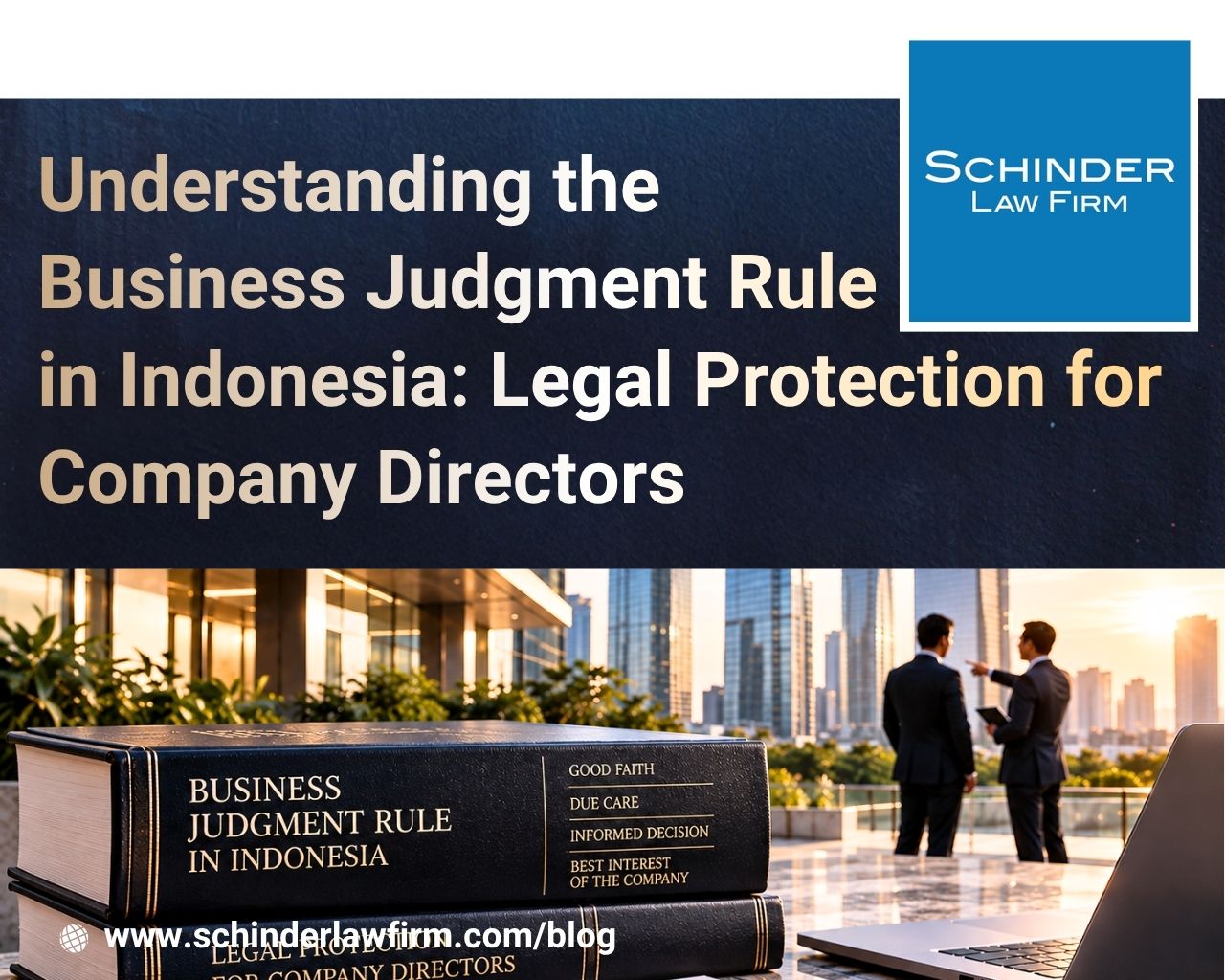
Understanding the Business Judgment Rule in Indonesia: Legal Protection for Company Directors
Oct 28, 2026
In conducting business activities, directors are faced with various strategic decisions, ranging from investment and expansion to product development and commercial cooperation. Each of these decisions carries both the potential for profit and the risk of loss. Even decisions made after careful business consideration may result in losses due to changes in market conditions, economic circumstances, or other external factors...
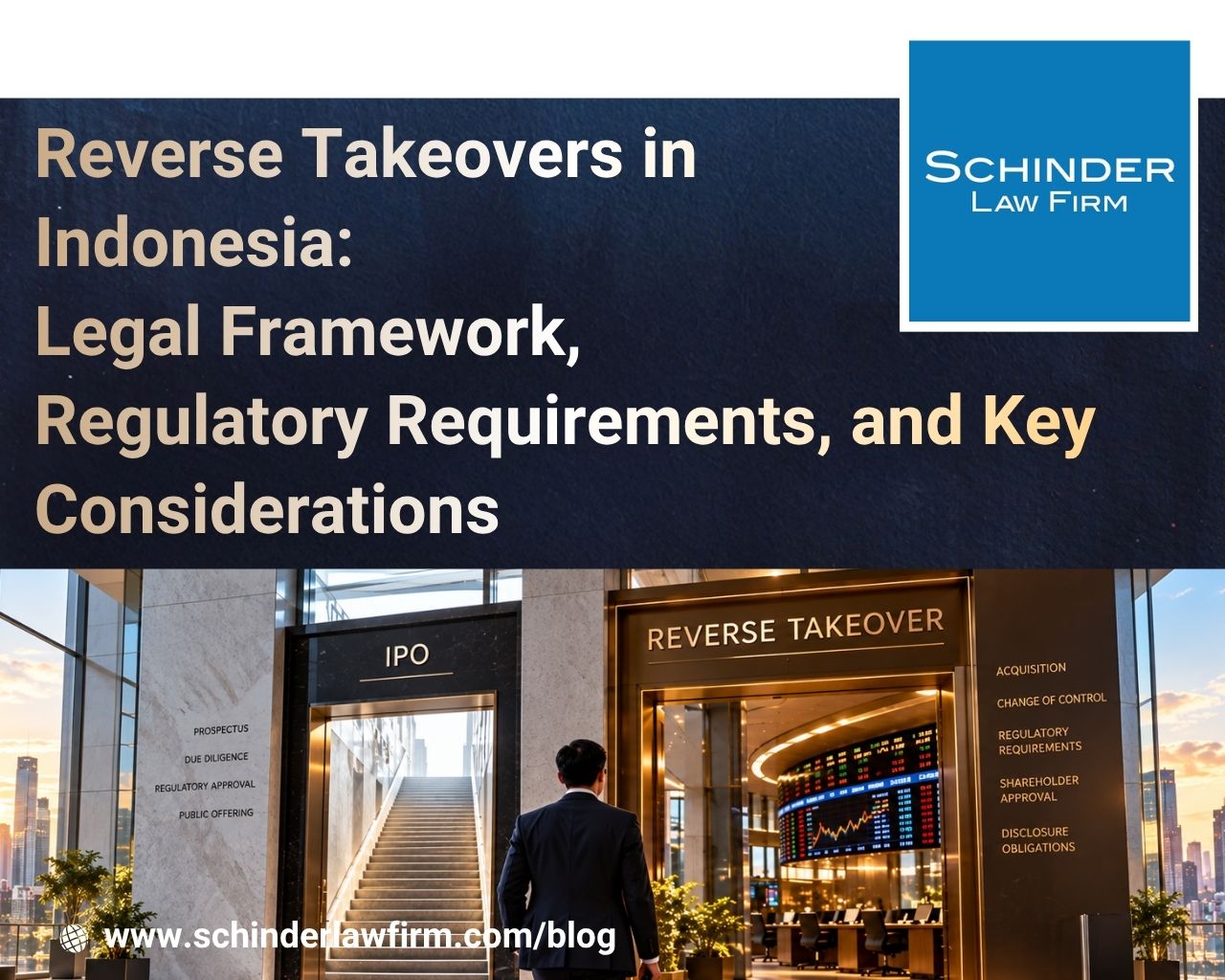
Reverse Takeovers in Indonesia: Legal Framework, Regulatory Requirements, and Key Considerations
Oct 26, 2026
For companies seeking access to the capital market, an Initial Public Offering (“IPO”) is one of the conventional routes to becoming a public company and listing its shares on a stock exchange. However, another corporate strategy that may be considered is a Reverse Takeover (“RTO”)...
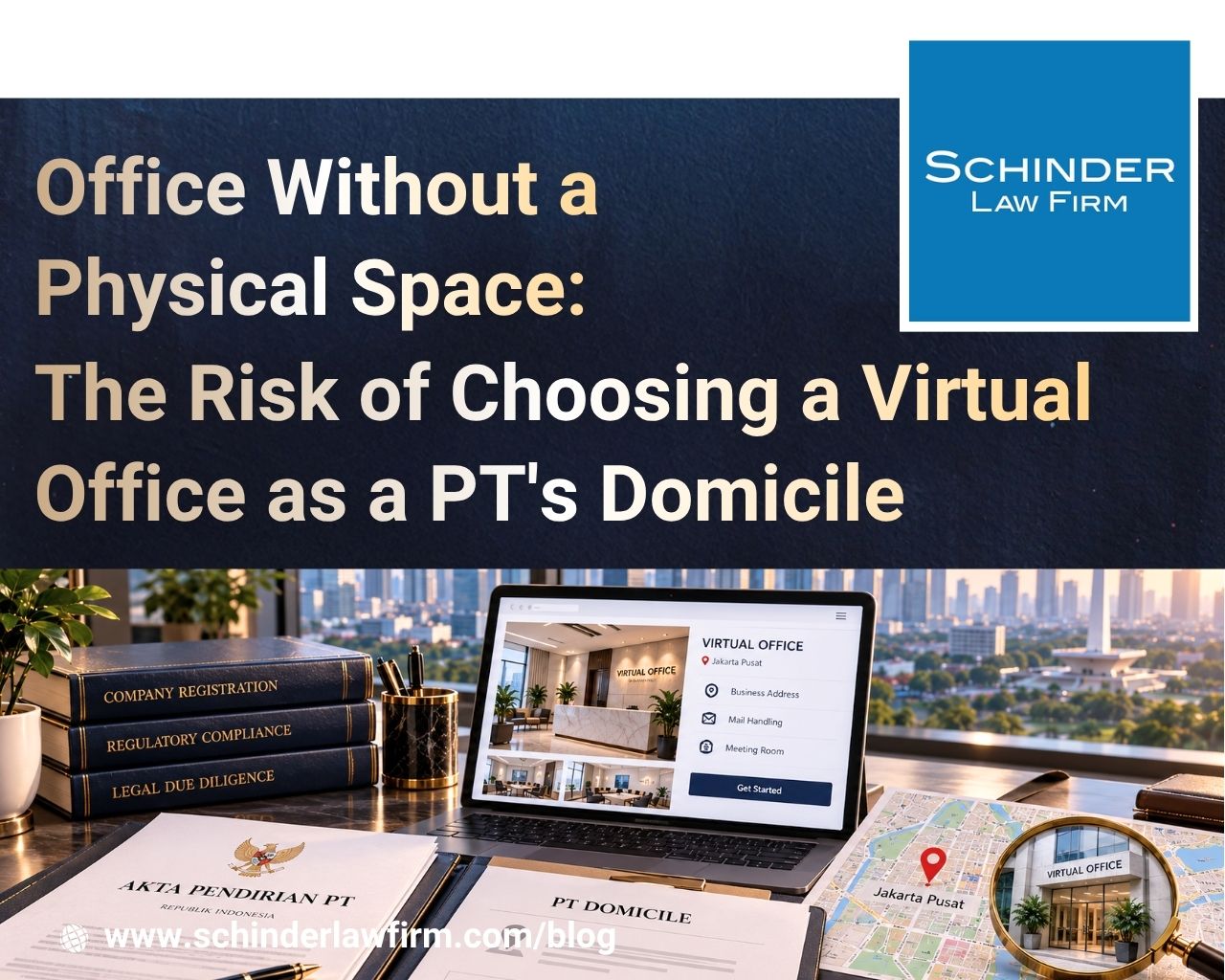
Office Without a Physical Space: The Risk of Choosing a Virtual Office as a PT's Domicile
Oct 23, 2026
Many business founders, including foreign investors setting foot in Indonesia for the first time, are drawn to virtual offices as their company's registered address. The cost is far lower than renting physical space, particularly in the early stage when operations haven't fully kicked off. The question that follows, and one often only realised once the incorporation process is already underway...